1. Project Personnel
Academic Supervisors & Preparers:
- Assist. Prof. Khoshi Othman Abdullatef
- Assist. Lect. Hana Muhammad Karim
Assist. Lect. Shukhan Abdulqadir Abdullah
Technical Staff:
To be appointed based on project progression phases.
2. Project Timeline
- Start Date: 01/11/2025
- End Date: 01/11/2027
Total Duration: 24 months
3. Introduction
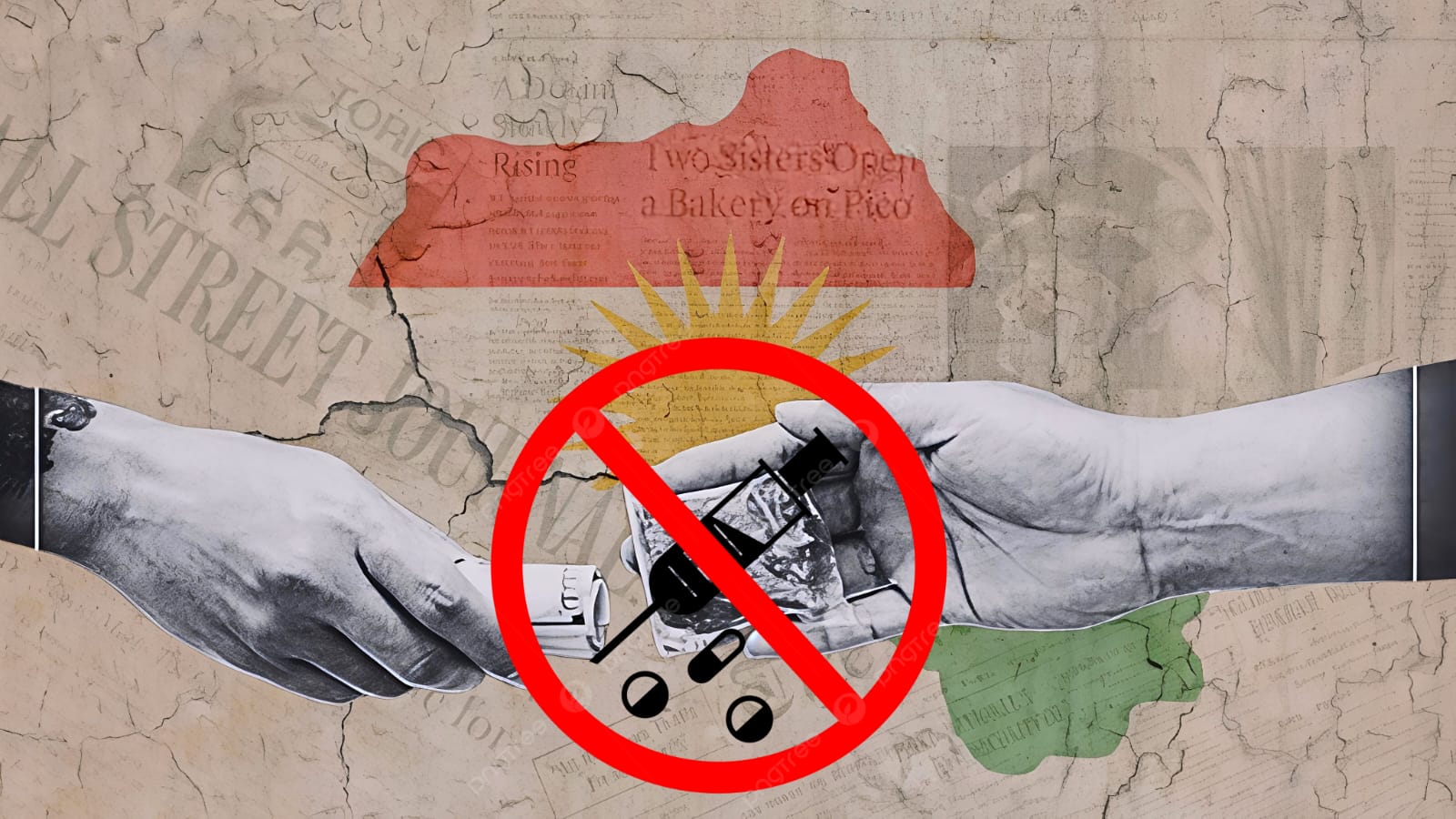
The phenomenon of drug use and trafficking represents a critical global and regional challenge. UNODC reports indicate that one in 17 individuals aged 15–64 globally has used narcotic substances. In the Iraqi context, statistics show thousands of individuals involved annually in drug-related offenses. Given the geographical location as a transit corridor, this project aims to provide a comprehensive, multi-disciplinary analysis to develop a robust, evidence-based roadmap for local mitigation and strategic policy development.
4. Project Objectives
- Data Collection: Systematically collect new data and statistics regarding users and those involved in drug-related legal cases.
- Analytical Research: Analyze global and local official statistics and review existing scientific literature.
- Policy Roadmap: Draft legislative proposals and comprehensive policy recommendations in cooperation with governmental institutions.
- Public Awareness: Conduct forums, roundtables, and awareness campaigns to address the risks and remedial measures.
Stakeholder Coordination: Enhance information exchange between research bodies and relevant security/health institutions.
5. Beneficiaries
- Governmental: KRG institutions (Ministry of Interior, Ministry of Higher Education, Ministry of Education).
- Academic: Researchers and university institutions across the Kurdistan Region.
Social: Civil society organizations, rehabilitation centers, correctional facilities, and border communities.
6. Implementation Phases
- Phase One: Field data collection from correctional facilities, rehabilitation centers, and security databases.
- Phase Two: Comprehensive analysis of global and local official statistics and interdisciplinary literature reviews.
- Phase Three: Execution of extensive field surveys targeting both the general public (civilian population) and institutional stakeholders to assess societal awareness, risk perception, and policy efficacy.
- Phase Four: Continuous monitoring and the development of interim reports on findings to track project progression.
Phase Five: Consolidation and processing of all collected quantitative and qualitative data to finalize strategic recommendations, policy drafts, and the comprehensive end-product for submission to relevant authorities.
7. Challenges & Requirements
- Access Requirements: Official authorization for access to sensitive statistics and field sites (Ministry of Interior/Higher Education).
- Logistical Support: Resources for field research, secure data storage, and team transportation.
- Sensitivity Management: Ensuring participant privacy and navigating the complexities of interviewing vulnerable populations and their families.
8. Financial & Administrative Details
- Financial Provider: Kurdistan Board for Strategic Studies and Scientific Research (KISSR).
- Budget: Determined based on periodic project requirements.
- Partnerships: Open to future collaborative agreements in later project stages.
9. Attachments
- Workplan Form: Detailed schedule of project activities and milestones.
- Data Collection Form: Standardized templates for surveys, interviews, and official data retrieval.
- Budget Disclosure Form: Document outlining projected expenditures and financial transparency protocols.