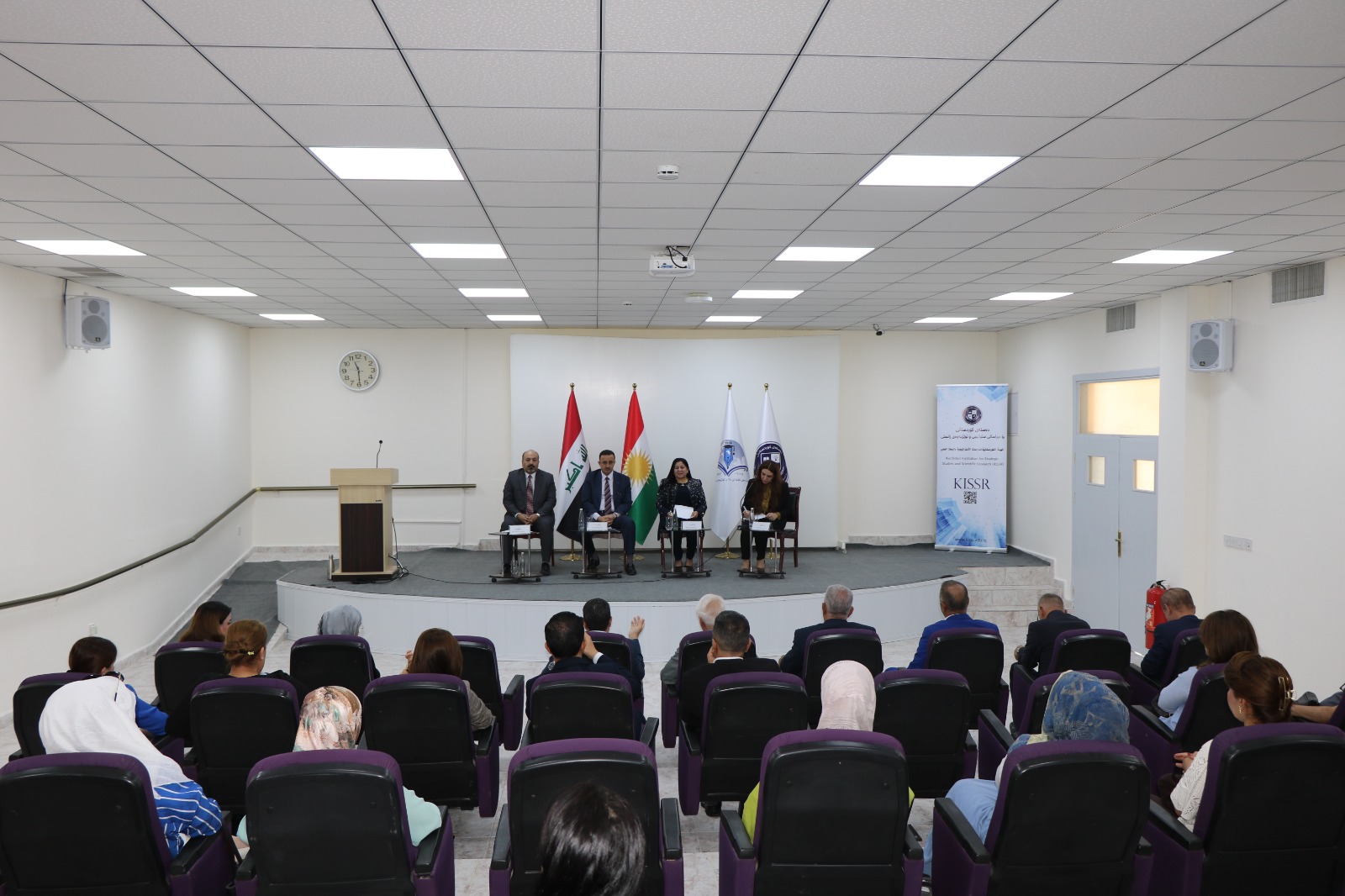
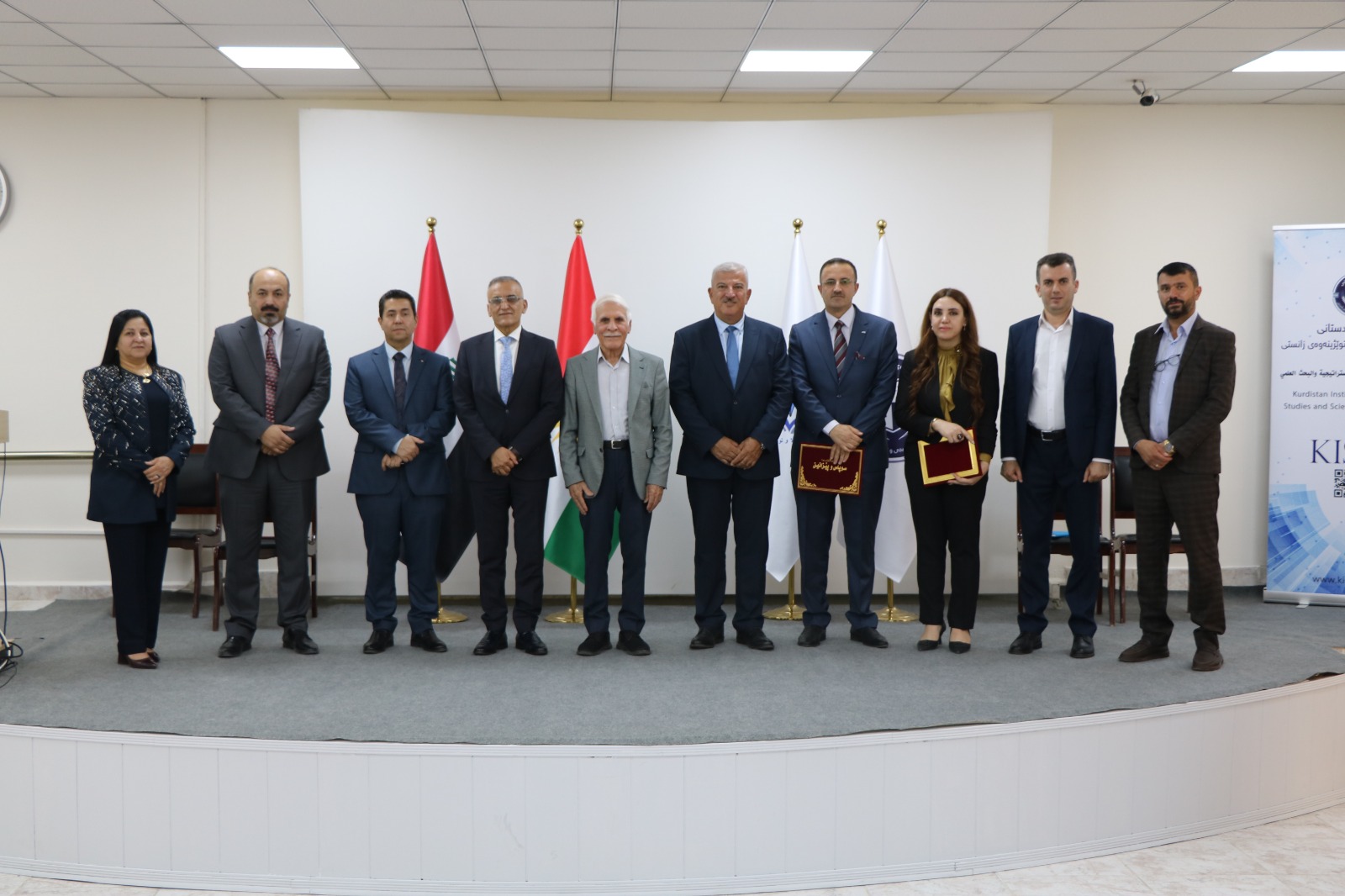
As part of its programmes and plans to promote comprehensive dialogue on important societal issues based on scientific principles and standards, the Kurdistan Institution for Strategic Studies and Scientific Research (KISSR) held a scientific panel on the scientific and health aspects of producing safe and healthy food and safeguarding food security.
Innovate Today, Nourish Tomorrow
On Thursday, 15 October 2026, on the occasion of World Food Day, KISSR held a scientific panel entitled "Innovate Today, Nourish Tomorrow: How Does the Production of Safe and Healthy Food Contribute to Food Security?" Several specialists in the field of food presented evidence-based information, grounded in scientific and health principles, on how to produce safe and healthy food in order to achieve food security.
KISSR Attaches Great Importance to Issues Affecting the Daily Lives of Individuals and Families
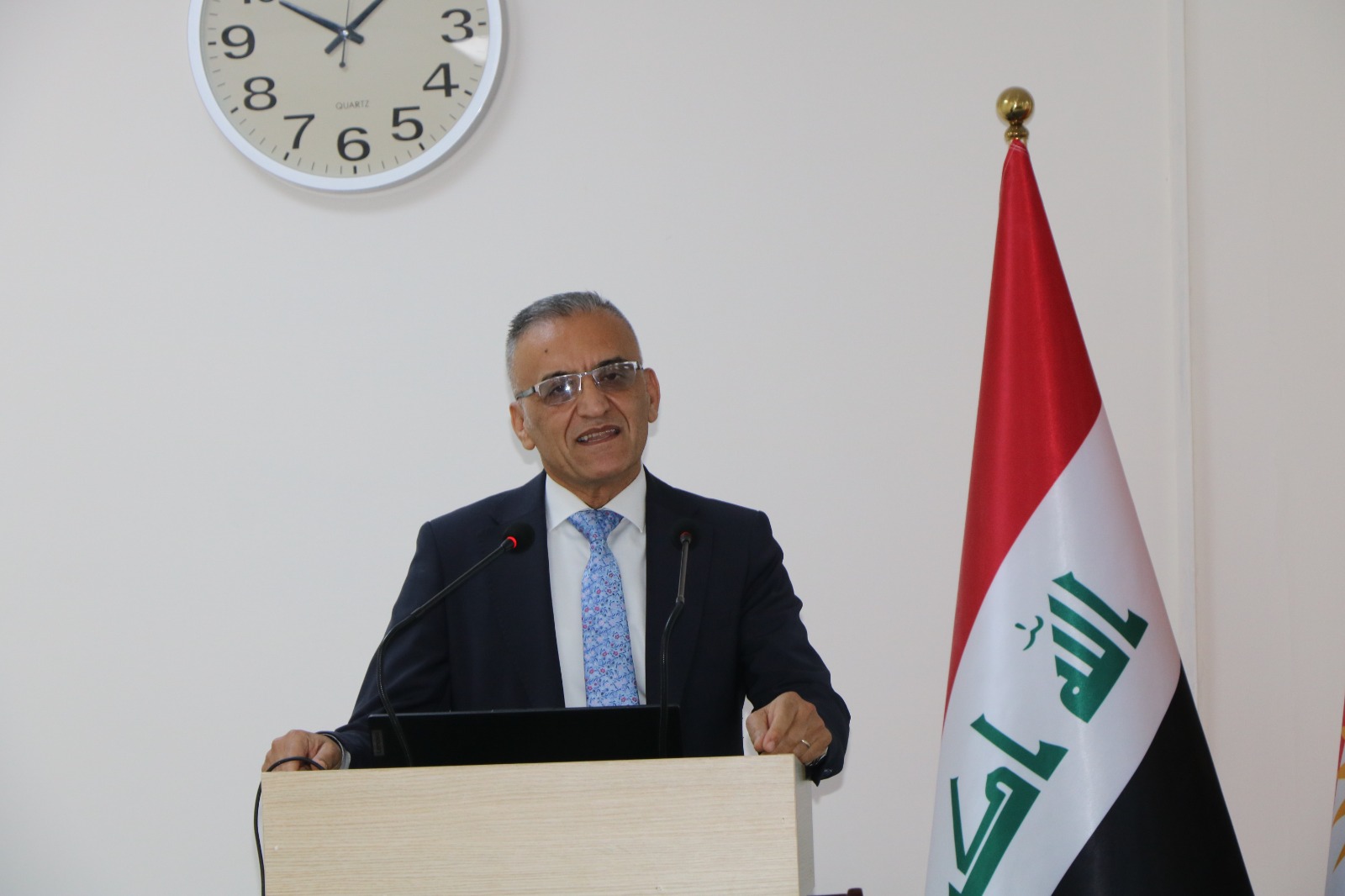
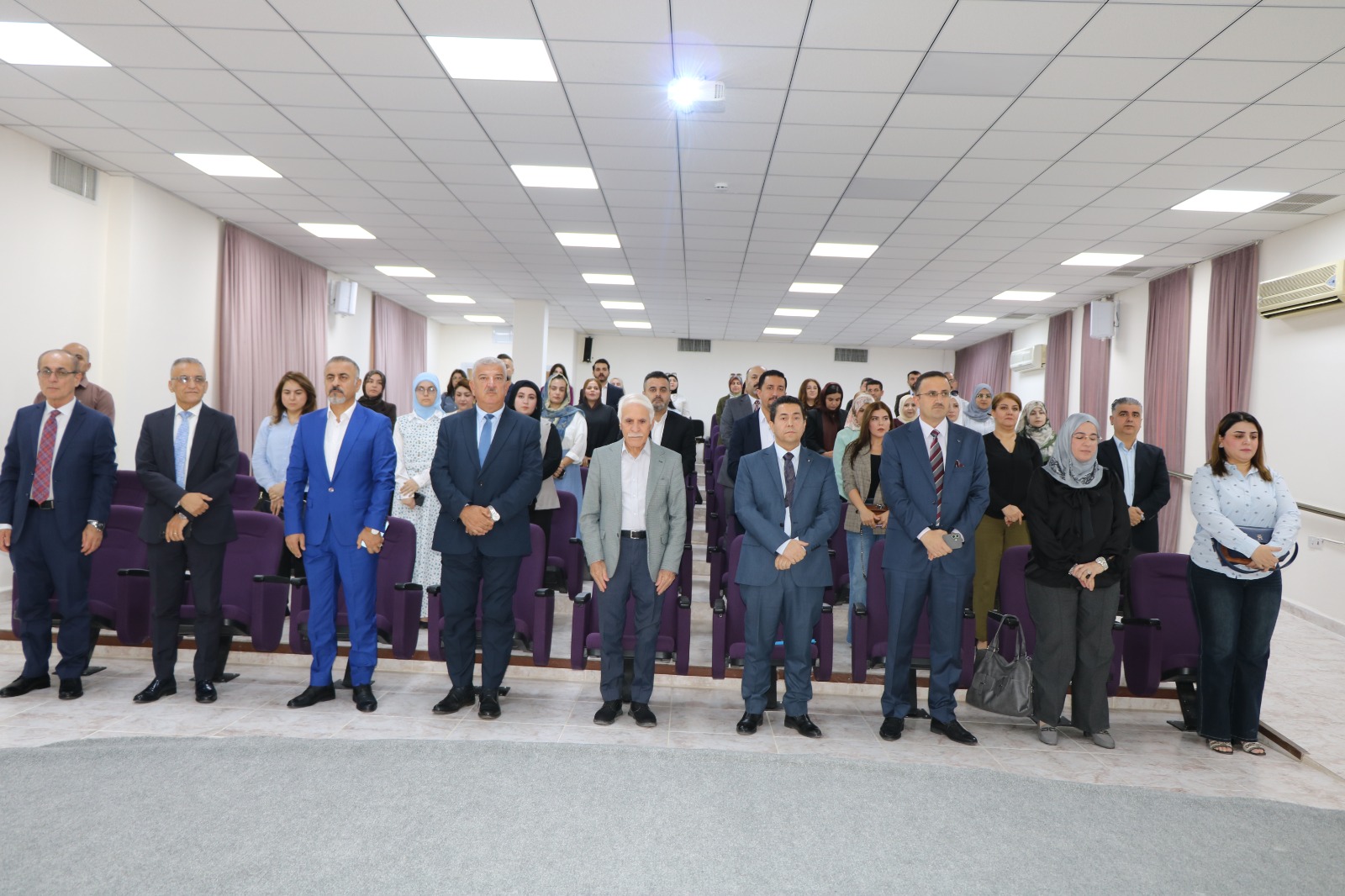
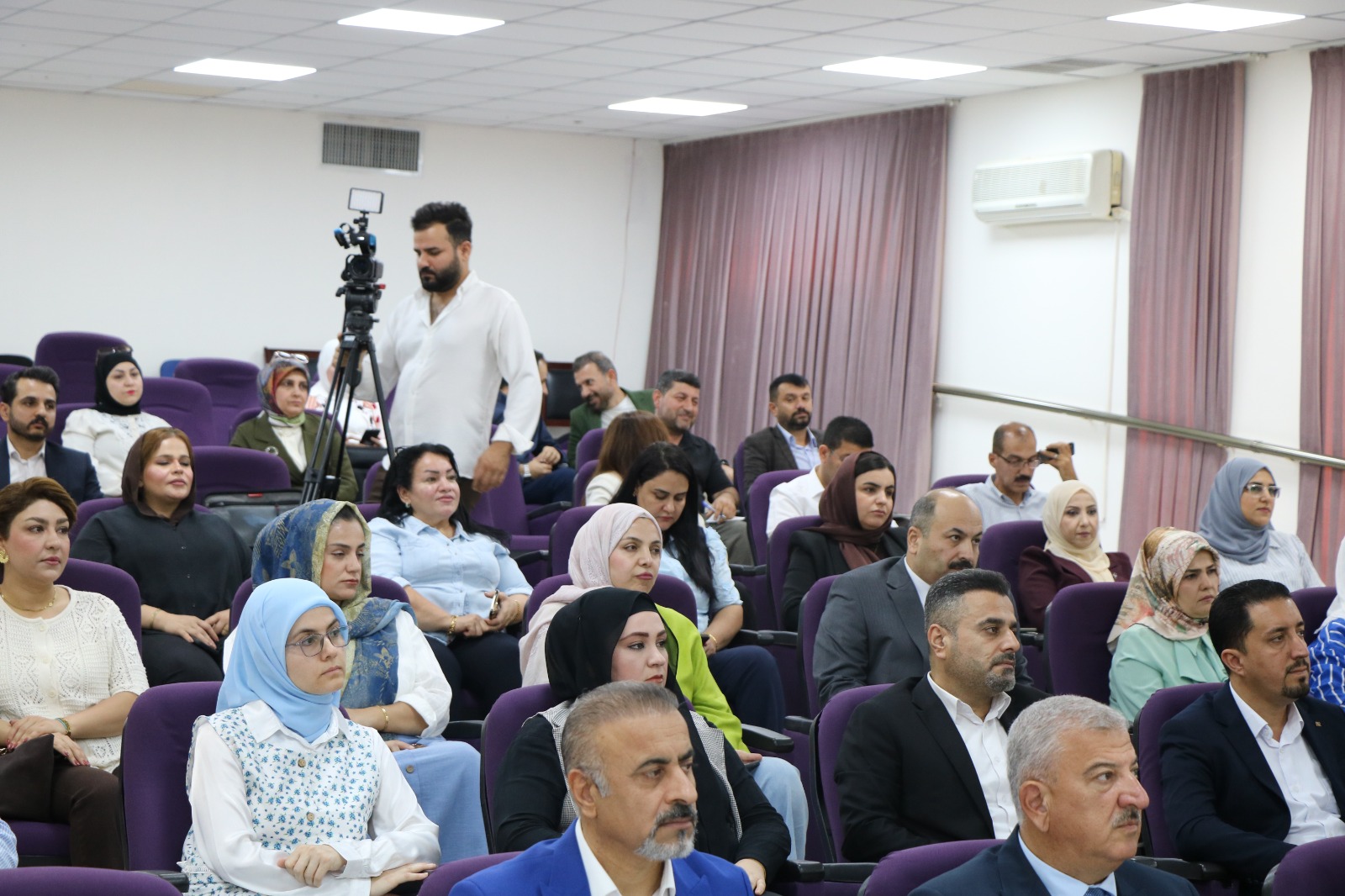
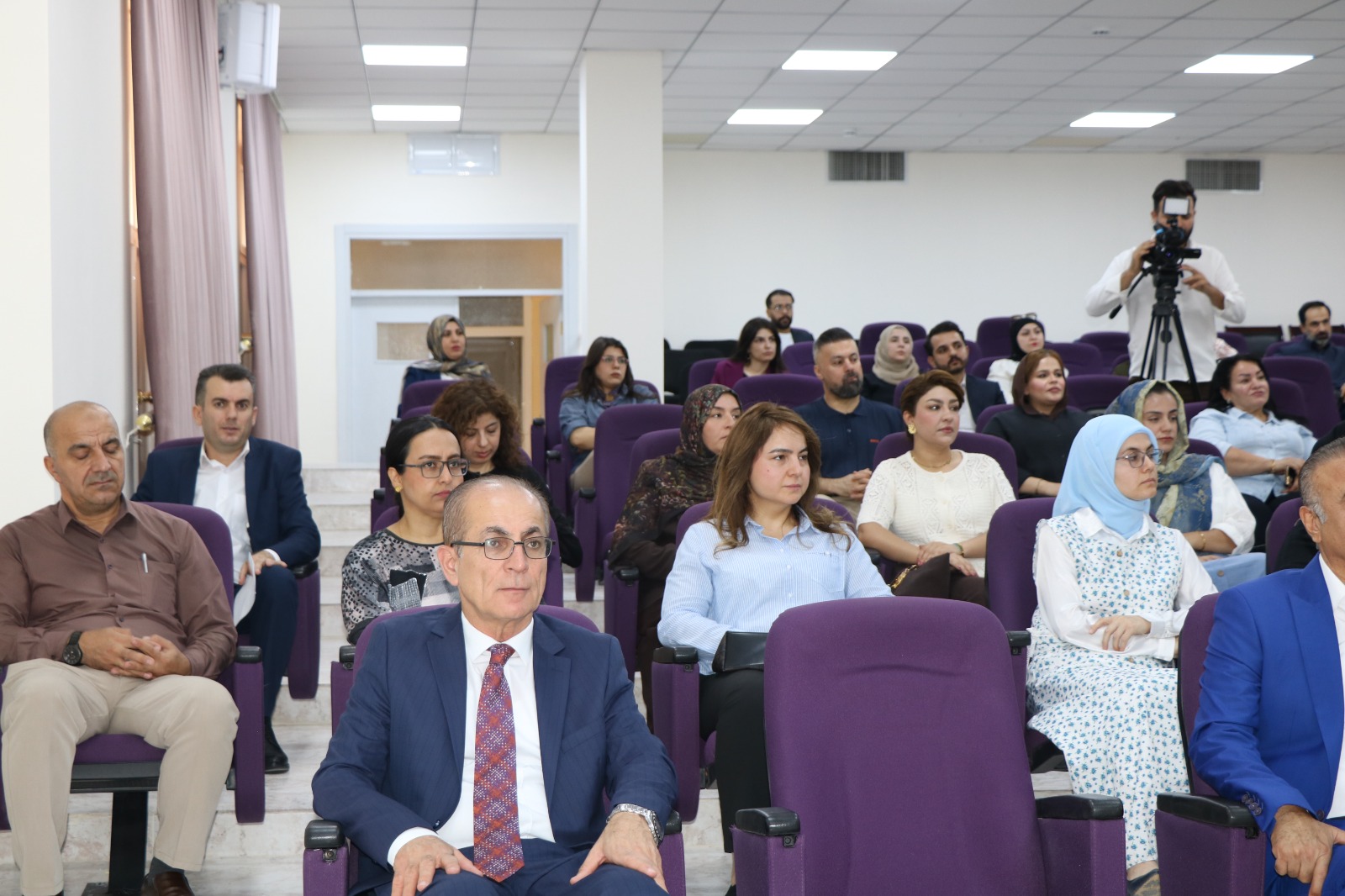
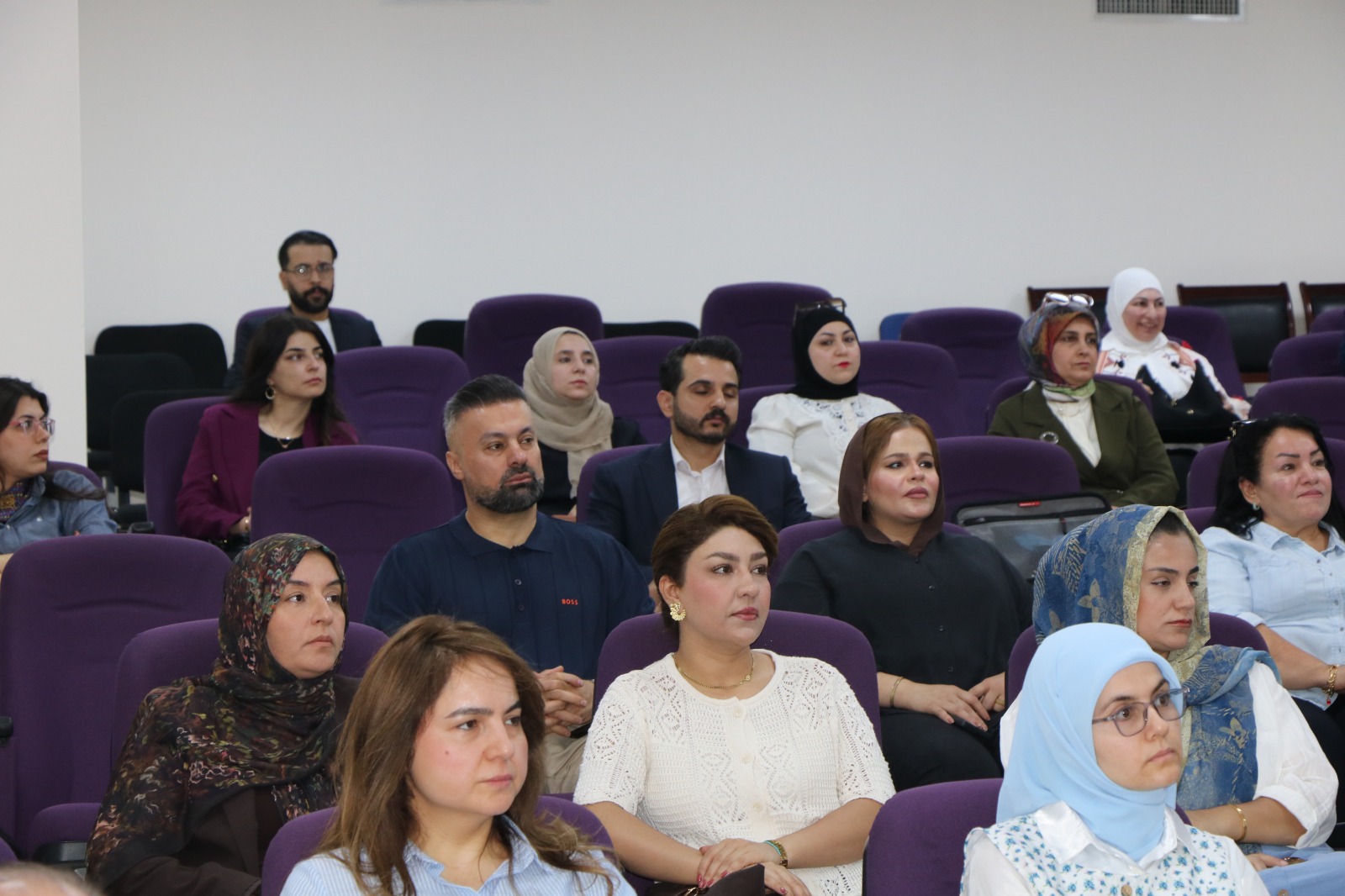
The panel was attended by university faculty members, researchers, health professionals, academics, students and media representatives. In his welcoming address, Prof. Dr. Shwan Kamal Rashid, President of KISSR, outlined the Institution's new programmes and plans to give greater attention to important societal issues.
He stated that academic institutions and society are inseparable, and that a strong and continuous relationship between the two is essential. Strengthening this relationship in practical terms is therefore one of KISSR's principal objectives. Within this framework, the Institution attaches great importance to all societal issues that affect the daily lives of individuals and families. Safe and healthy food and food security are among the issues on which the public continually needs reliable information. For this reason, the panel addressed the topic through a comprehensive scientific discussion from a range of perspectives.
He further stressed that the relevant institutions and authorities should take the views of academic institutions and the recommendations of specialists in different fields seriously and act on them.
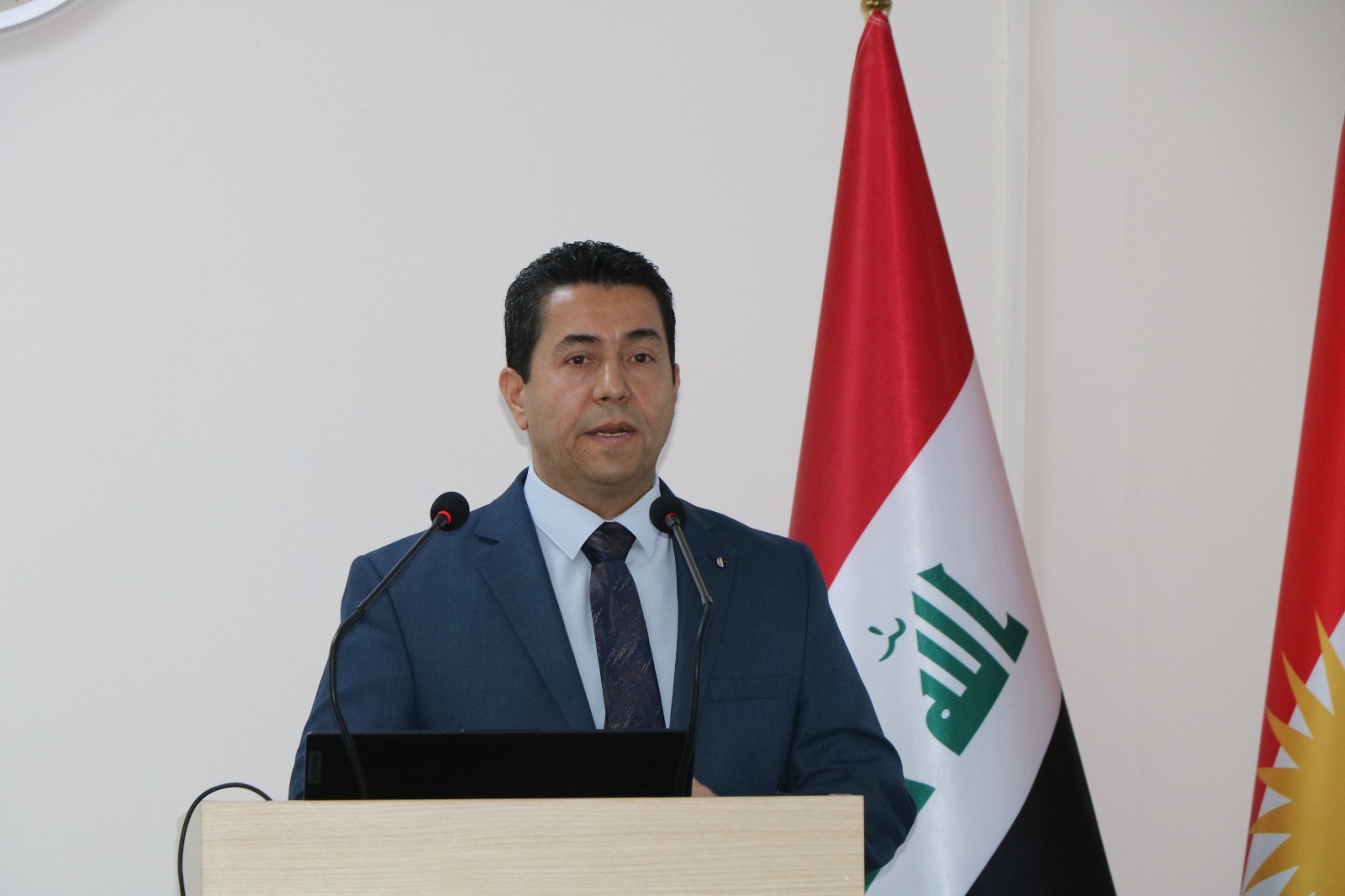
Prof. Dr. Nariman Salih Ahmed, National Consultant for Agricultural Projects in Kurdistan, also delivered a speech. He emphasised the importance of raising awareness about healthy and safe food and food security, and highlighted the projects of the Food and Agriculture Organization of the United Nations (FAO) in the Kurdistan Region that address food-related issues. He also thanked KISSR for its attention to societal concerns.
Three Presentations
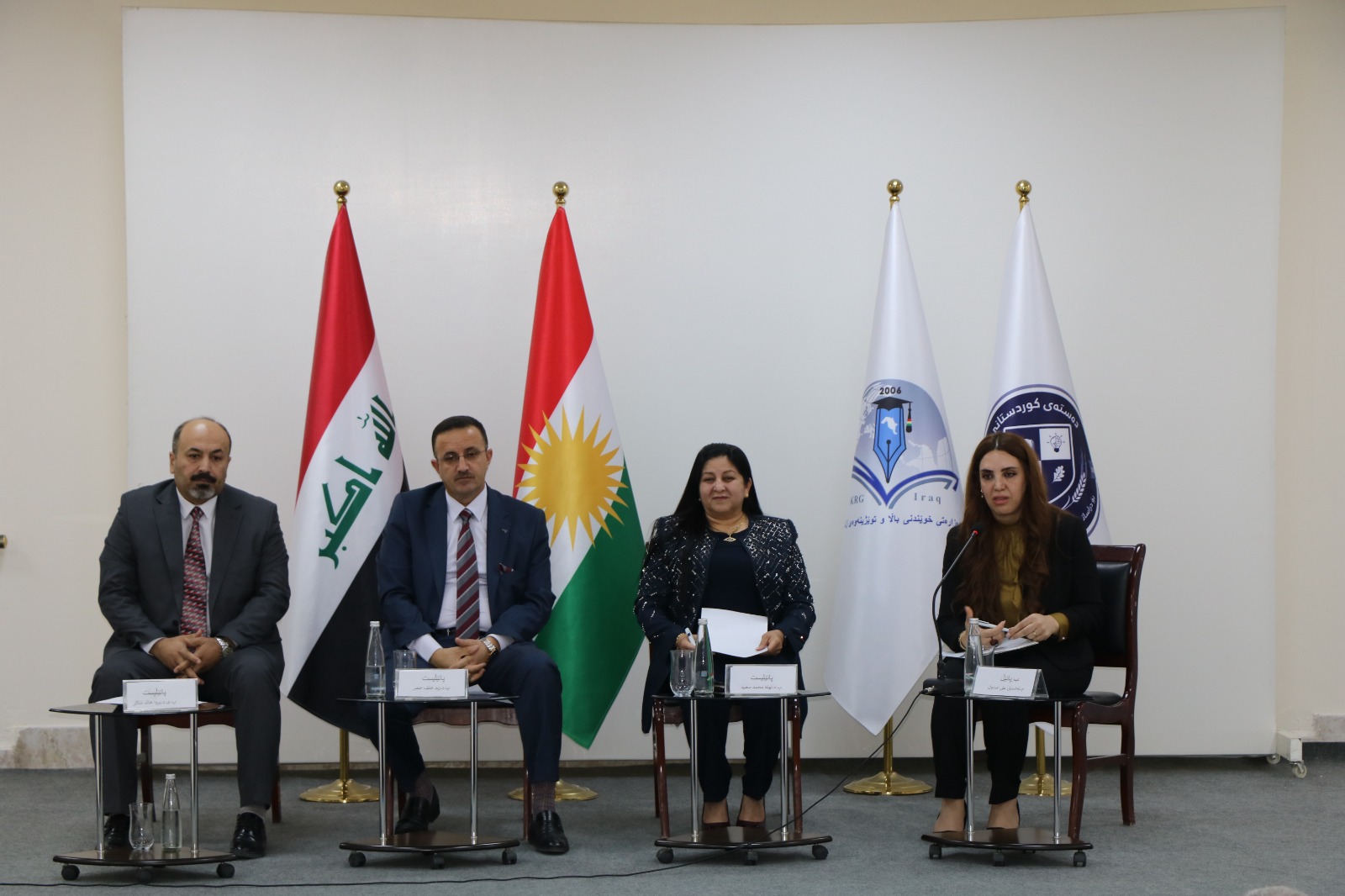
Three papers were presented at the panel:
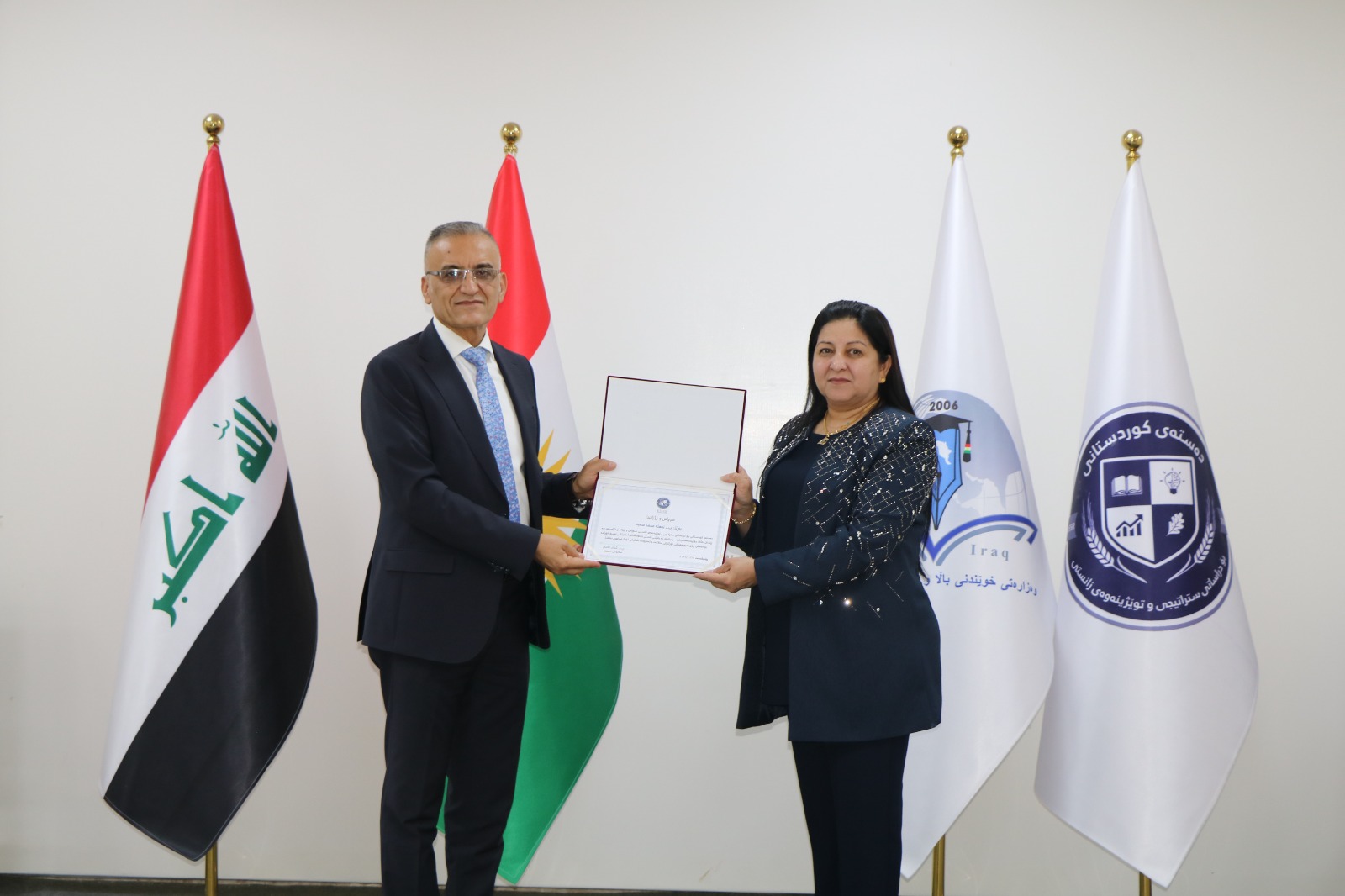
1. "From Animals to Humans: Zoonotic Diseases in the Food Chain", by Prof. Dr. Nahla Mohammed Saeed, lecturer and researcher at KISSR.
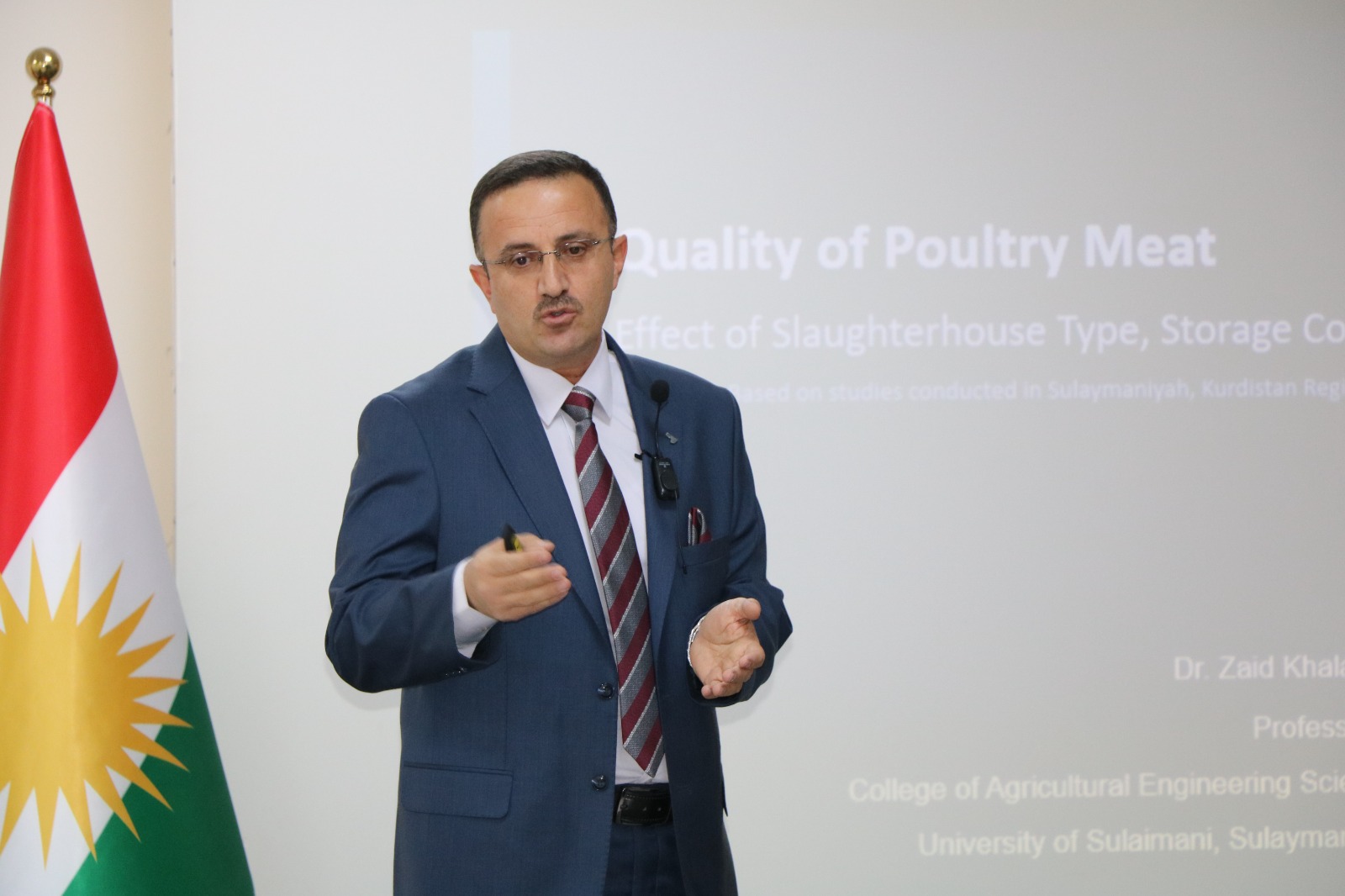
2. "The Effect of Slaughterhouse Type, Storage Conditions and Market Location on Poultry Meat Quality", by Prof. Dr. Zaid Khalaf Khidhir.
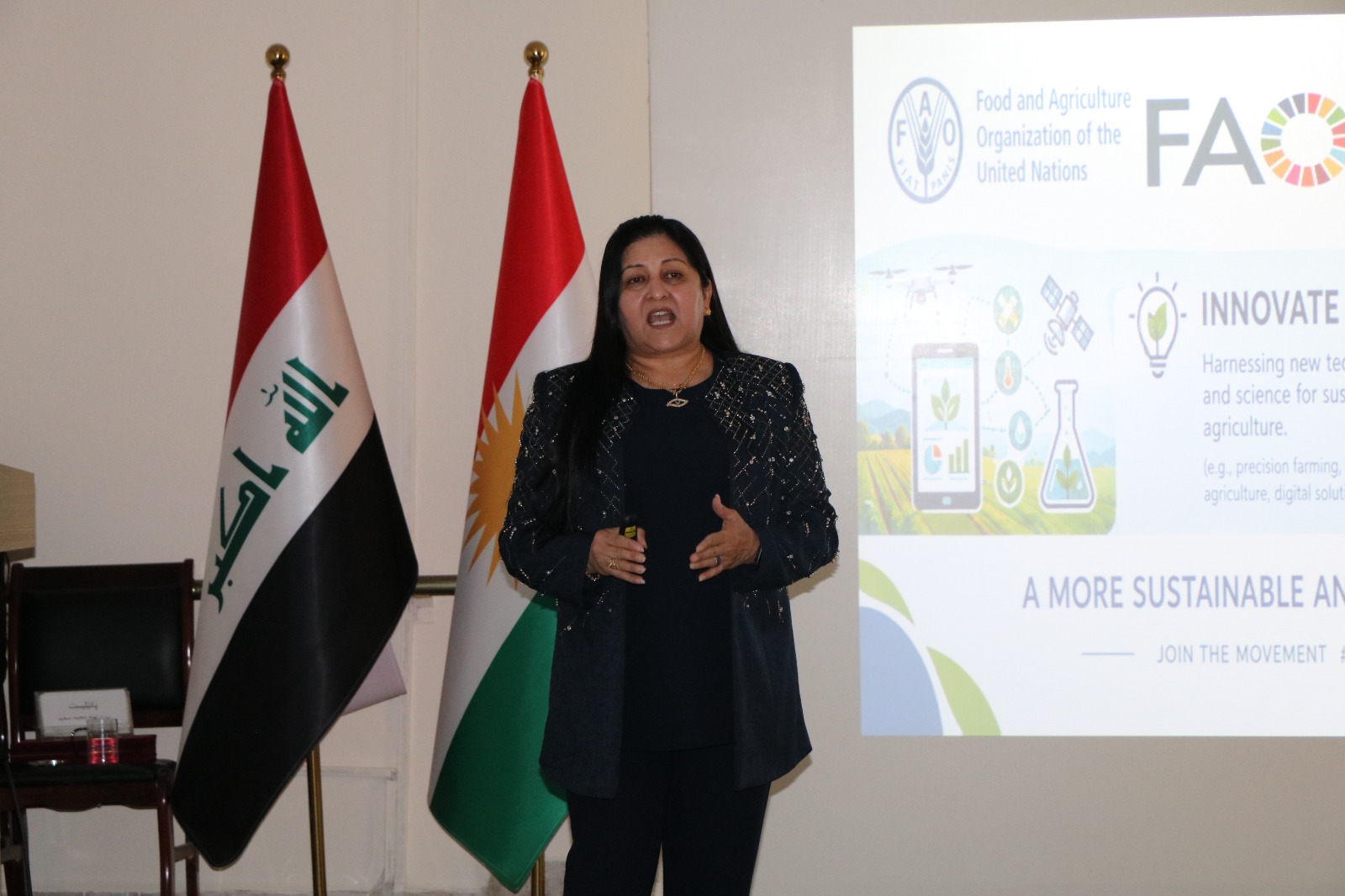
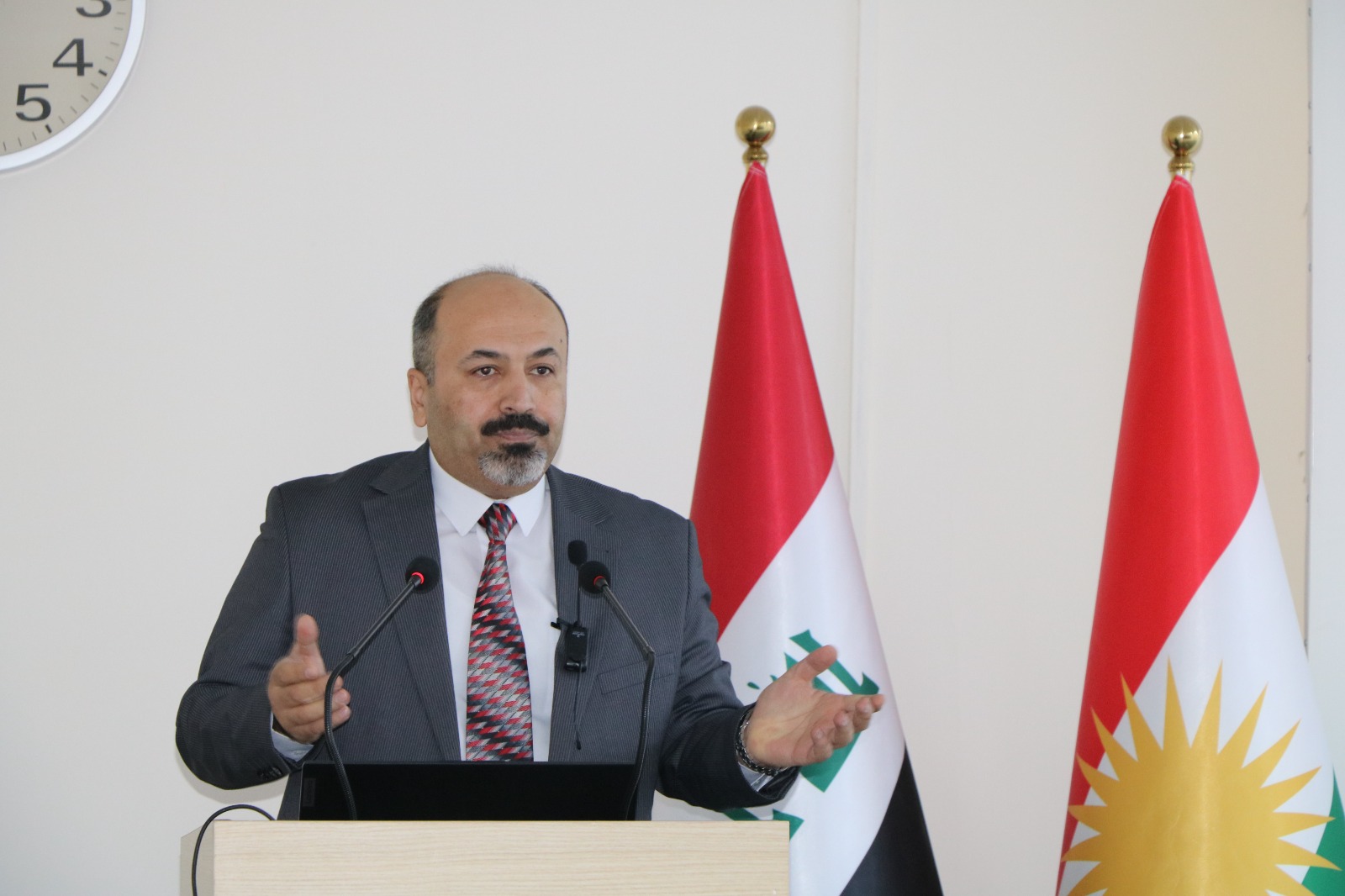
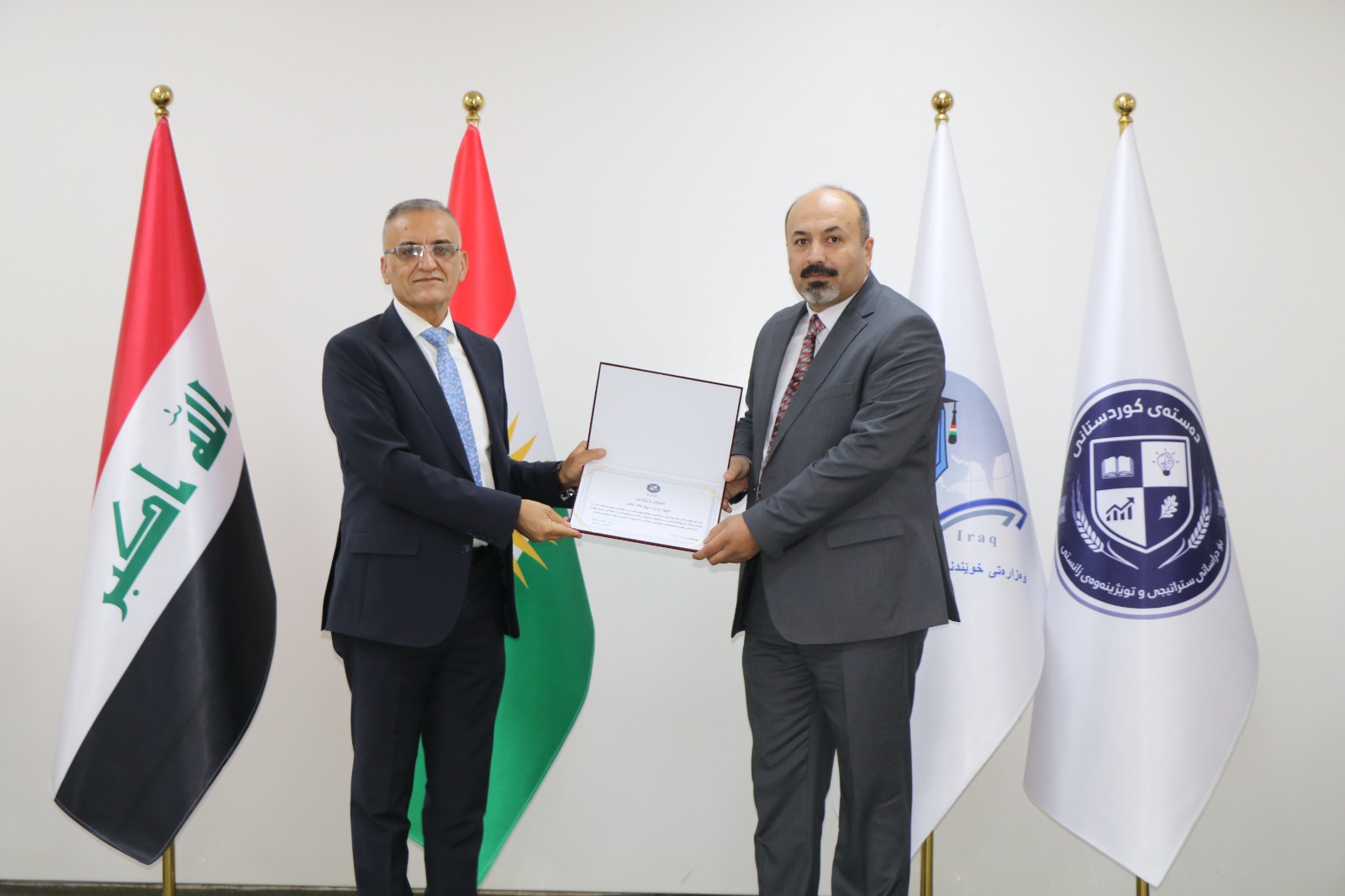
3. "The Role of Food Technology in Achieving a Resilient and Healthy Food System", by Asst. Prof. Dr. Birwa Khalid Shakir.
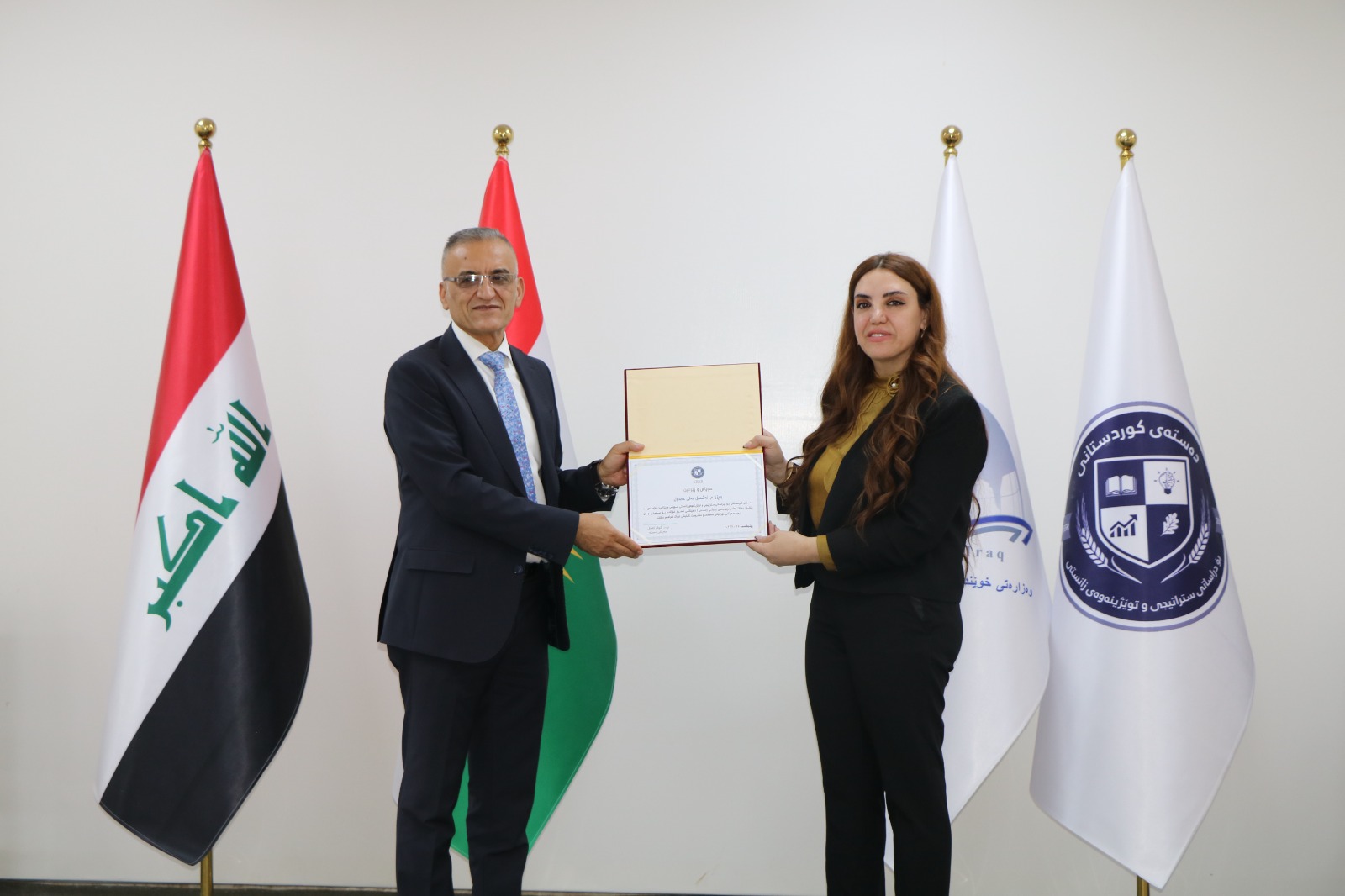
The panel was moderated by Lecturer Nashmeel Ali Abdul, researcher at KISSR.
Through the panel and its presentations, the speakers explained how safe and healthy food can be produced to ensure food security, and called on all stakeholders to innovate today in order to secure healthy food for tomorrow. It was noted that FAO celebrates World Food Day every year on 16 October, the anniversary of its founding in 1945. The theme for 2026, "Innovate today. Nourish tomorrow.", emphasises the use of science, technology and innovation to build more efficient, safer and more sustainable agrifood systems.
The presentations showed that animal-source foods such as meat, milk and eggs are a major part of people's daily diet. Without proper control, however, they can become a source of microbial contamination and of zoonotic diseases transmitted between animals and humans. The panel therefore brought together expertise in veterinary microbiology, food science and quality control to discuss this issue within the framework of this year's theme.
Objectives of the Panel
The objectives of the panel and several key points were highlighted, including:
- Raising awareness of the microbial hazards of animal-source foods and the means of controlling them.
- Introducing modern laboratory techniques for the early detection of contamination and for improved quality control.
- Explaining the interconnection between animal, human and environmental health within the One Health approach.
A Focus on Public Health
In the interest of public health, the panel presented detailed, evidence-based explanations of several important topics, including:
- The impact of microbial contamination in meat, milk and eggs, and methods of laboratory detection.
- Foodborne zoonotic diseases transmitted between animals and humans.
- Antimicrobial resistance and its relationship to the food chain.
- Innovation in food preservation and quality control, and modern approaches to reducing food waste.
Call for the Amendment of Veterinary Legislation
Prof. Dr. Nahla Mohammed Saeed, lecturer and researcher at KISSR, presented a number of proposals and recommendations for amending the legislation related to the veterinary field.
A Panel of More Than Two Hours
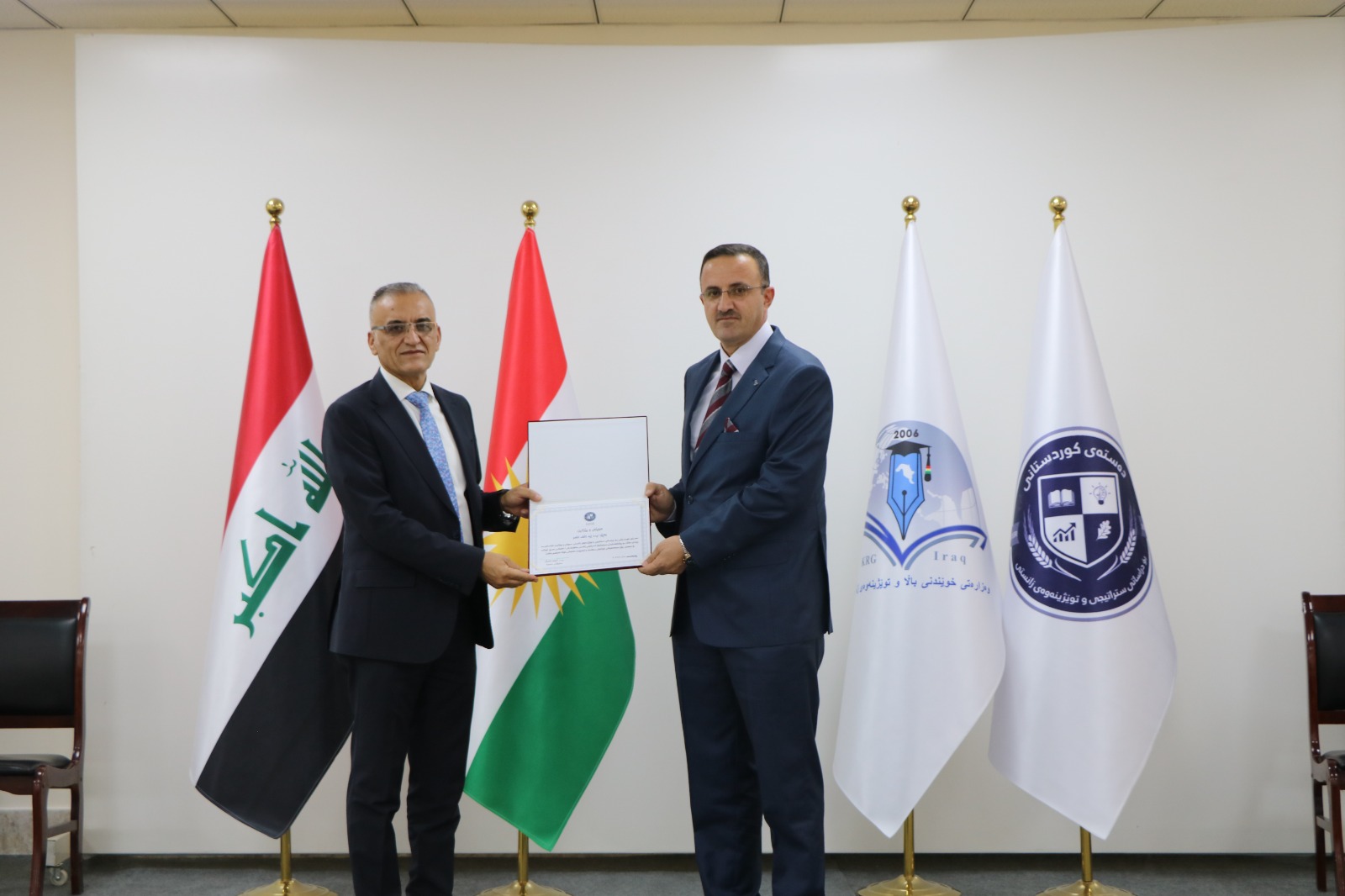
The panel lasted more than two hours. It concluded with an in-depth and wide-ranging discussion between the presenters and the audience on the panel's content, and a number of recommendations were formulated. The President of KISSR presented certificates of appreciation to the panellists and the moderator.
Audience Views
KISSR's media office gathered the views of several attendees. Asst. Prof. Dr. Bekhal Mustafa of the College of Agriculture, University of Sulaimani, said: "I congratulate KISSR and the panellists on organising this important and useful scientific panel and on discussing such a significant issue. I hope that the recommendations and proposals of this panel will be acted upon seriously."
Dr. Kwestan Mohammed, lecturer at the University of Sulaimani, said: "It was a useful and important panel that helped spread greater awareness of food safety.”
Photo gallery