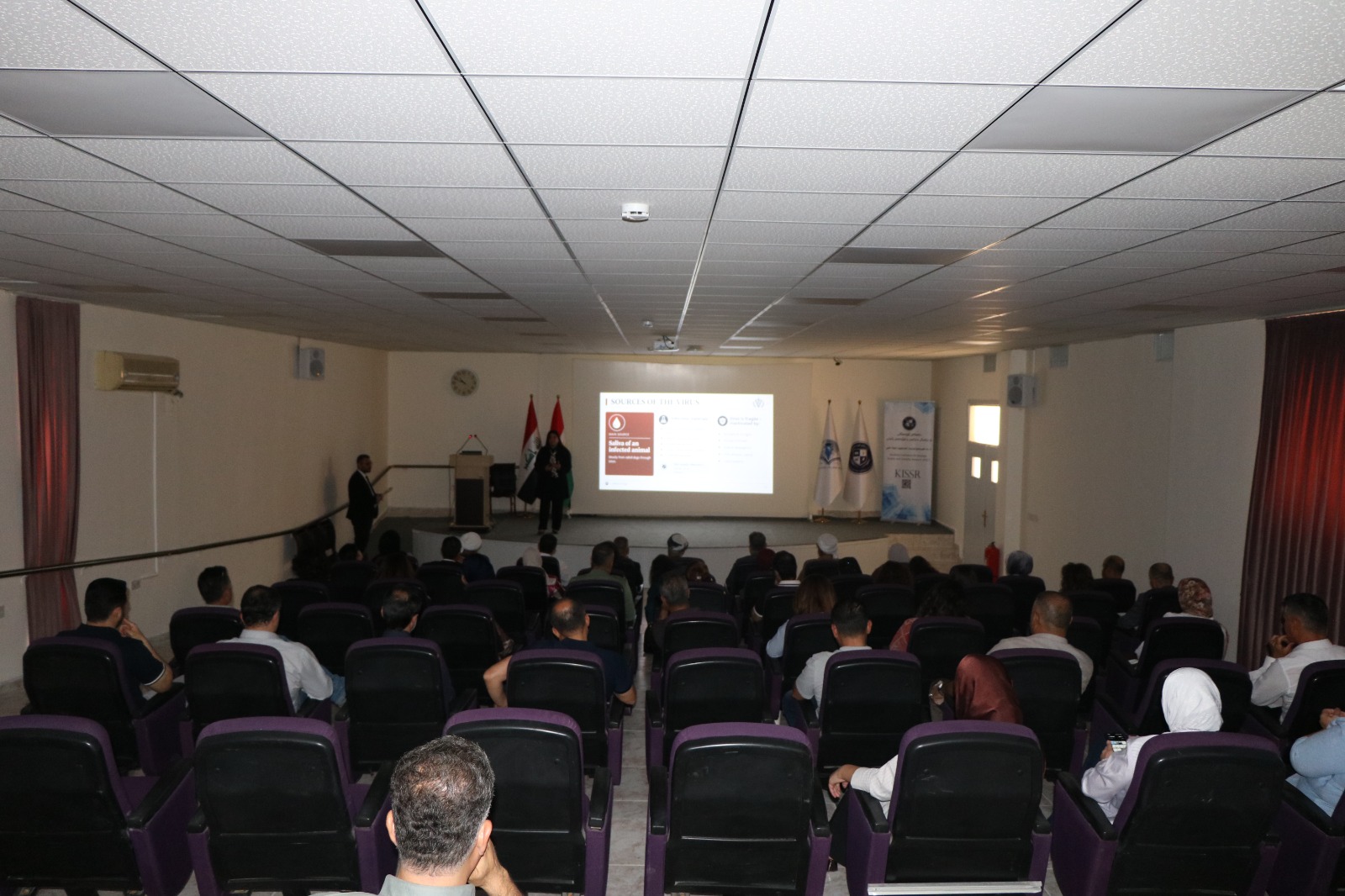
On Tuesday, 29 September 2026, on the occasion of World Rabies Day, the Kurdistan Institution for Strategic Studies and Scientific Research (KISSR) held a scientific panel entitled “Canine Rabies Between Humans and Animals: Diagnosis, Prevention, and Control.” During the panel, a religious scholar and specialists in veterinary medicine and public health presented essential information on the disease and on methods for its diagnosis, prevention, and control.
Identifying and Addressing Problems on the Basis of Scientific Principles and Standards
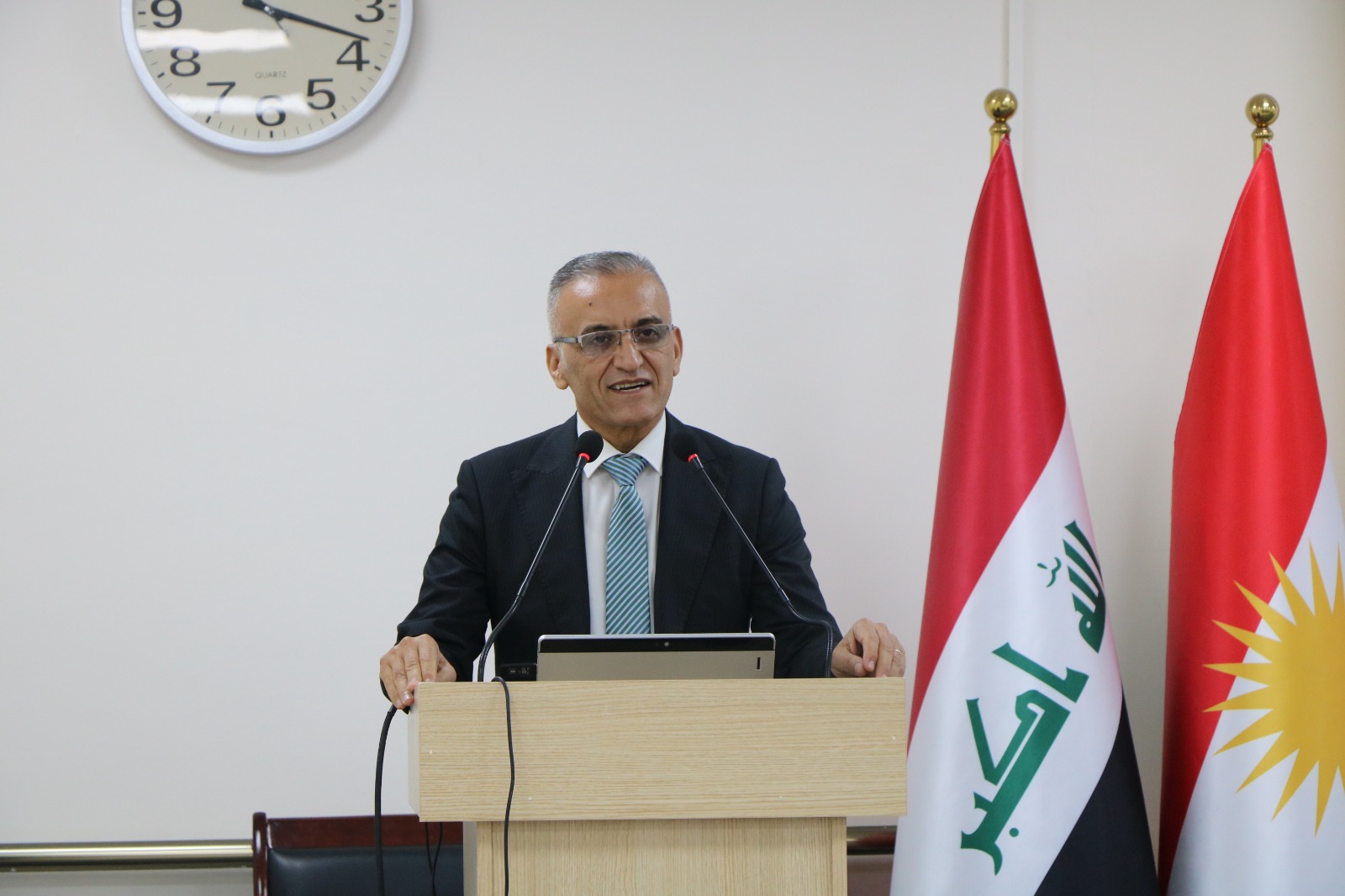
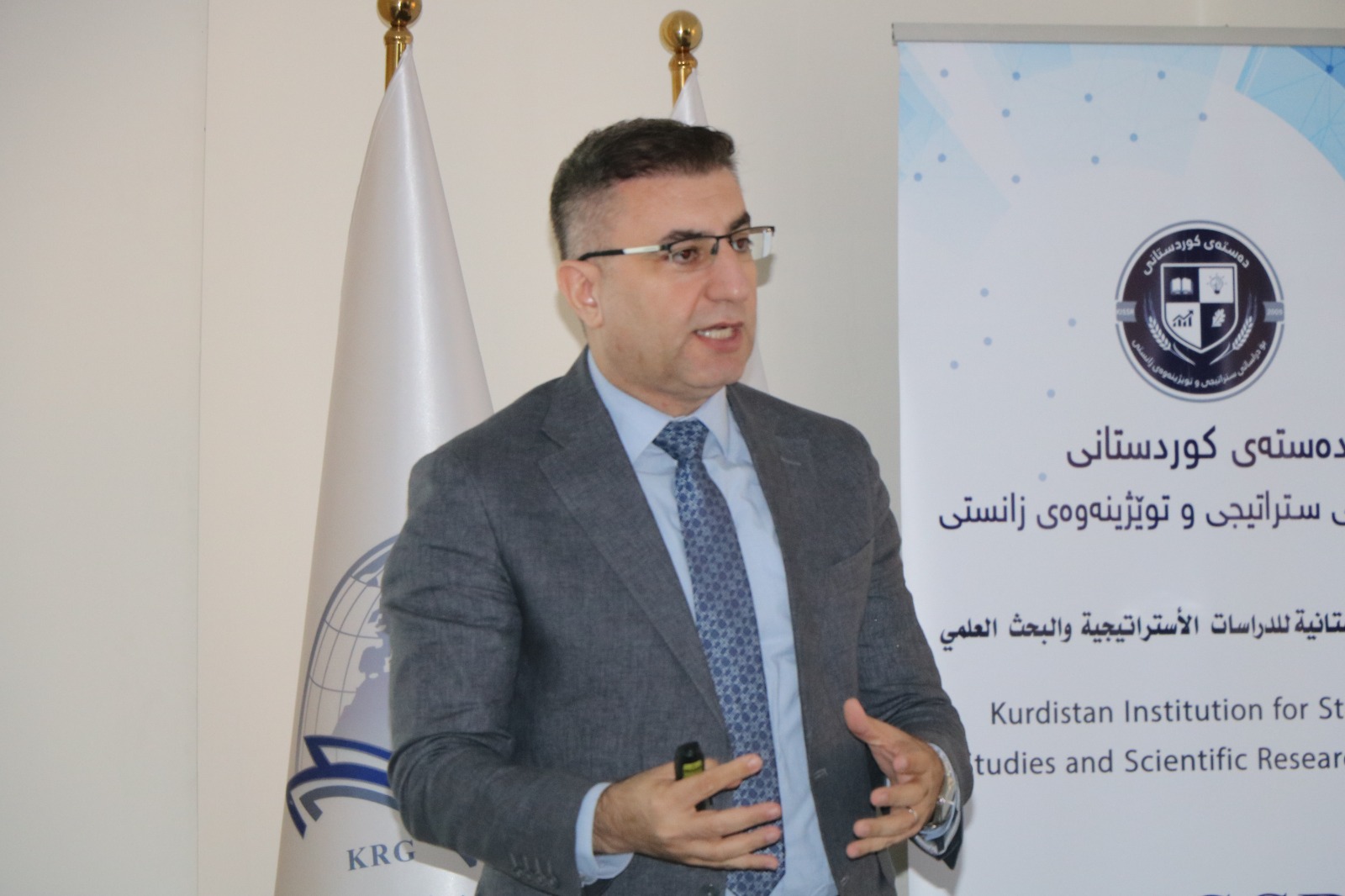
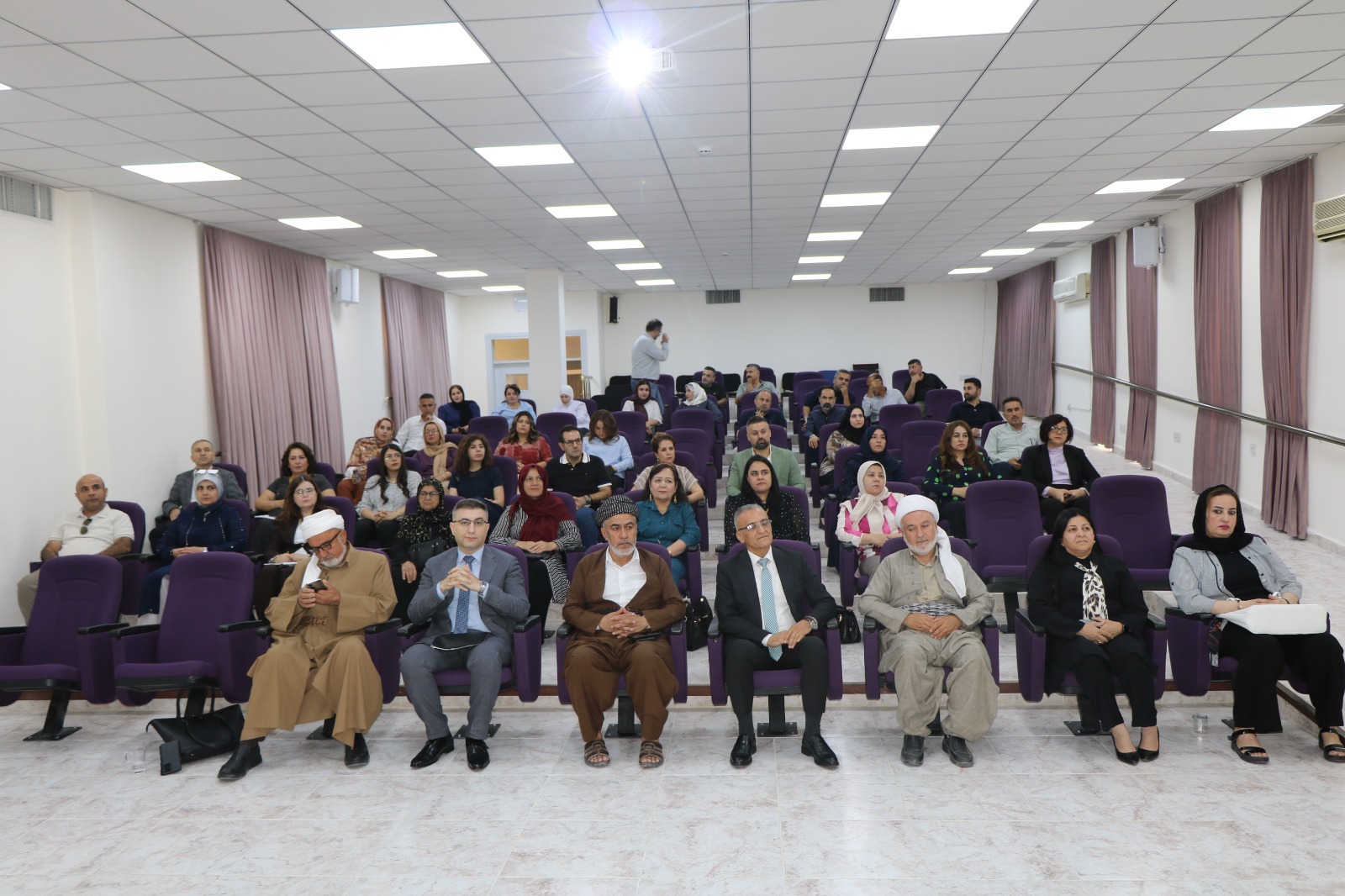
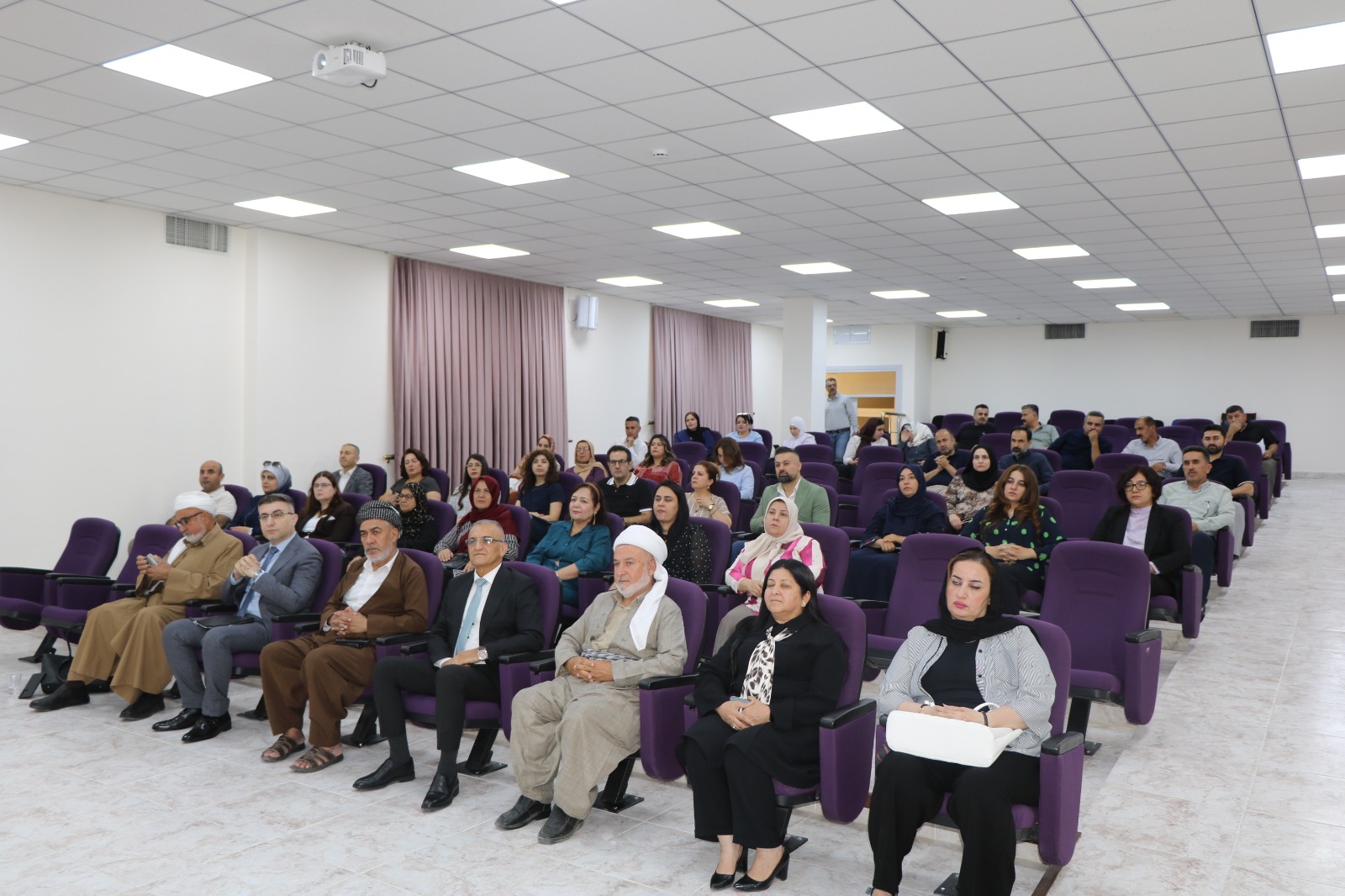
The panel was attended by religious scholars, university faculty members, researchers, health specialists, academics, students of science, and media outlets. In his opening address, Professor Dr. Shwan Kamal Rasheed, President of the Kurdistan Institution for Strategic Studies and Scientific Research, highlighted the Institution’s new programme and plans for giving greater attention to important societal issues. He stated that the Institution is collecting data on major societal issues through a number of projects, and added: “Our aim in following up on these important issues is to identify and address society’s problems on the basis of scientific principles and standards.” He also announced that ministries, institutions, and relevant bodies intend to work on several important projects in coordination with the Institution.
Four Presentations
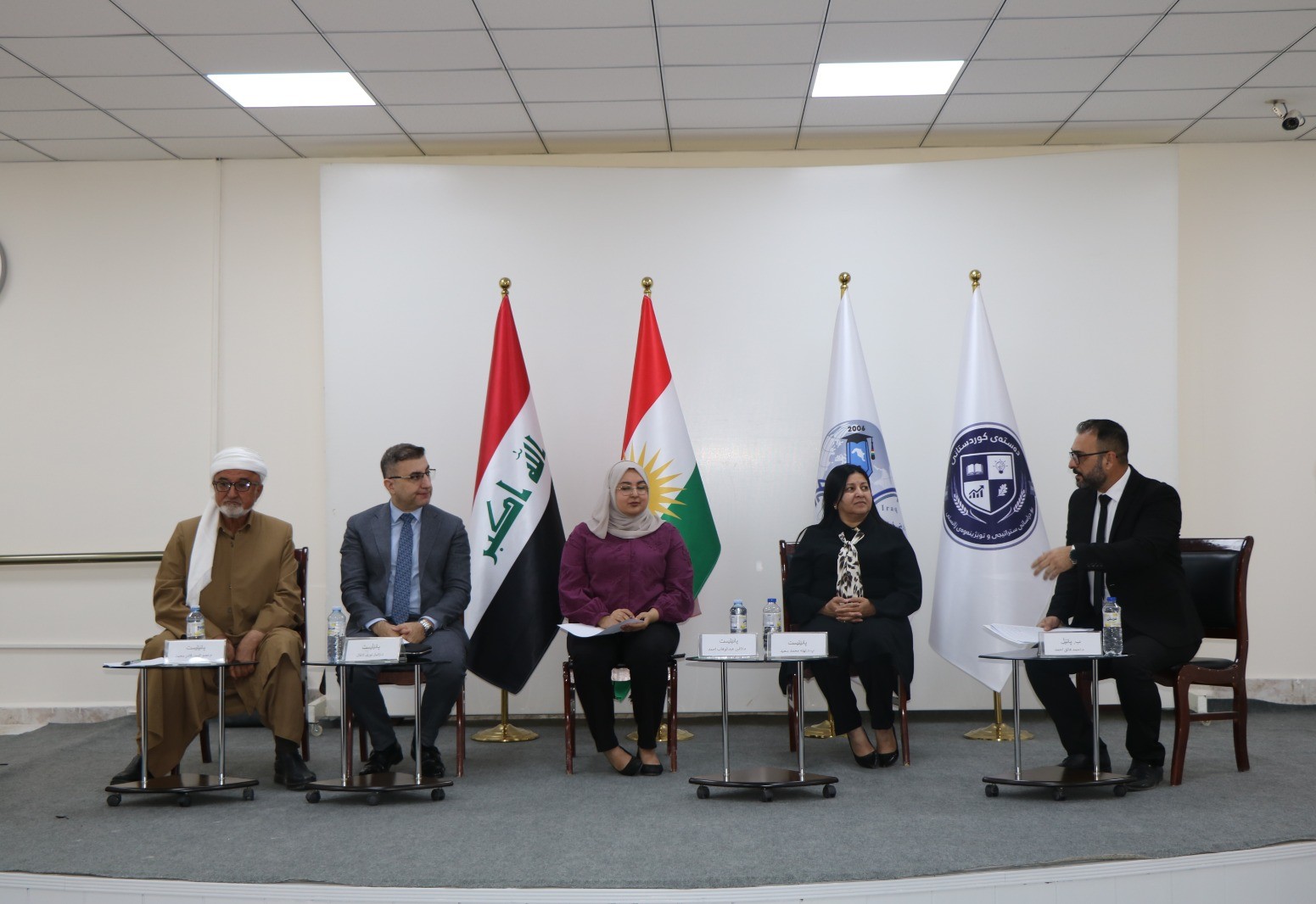
Four presentations were delivered during the panel:
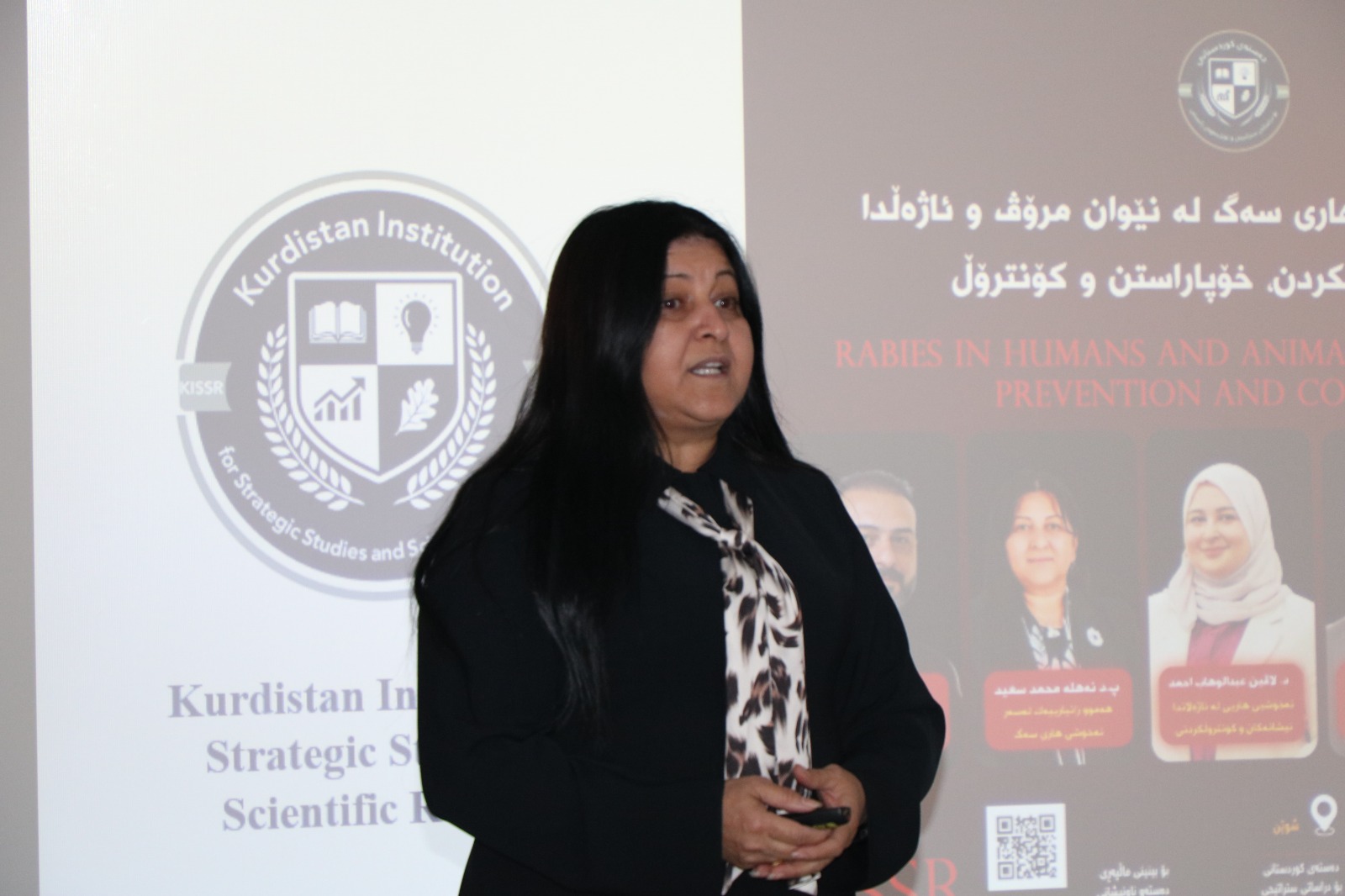
- “An overview about Canine Rabies” by Professor Dr. Nahla Mohammed Saeed, lecturer and researcher at the Kurdistan Institution for Strategic Studies and Scientific Research.
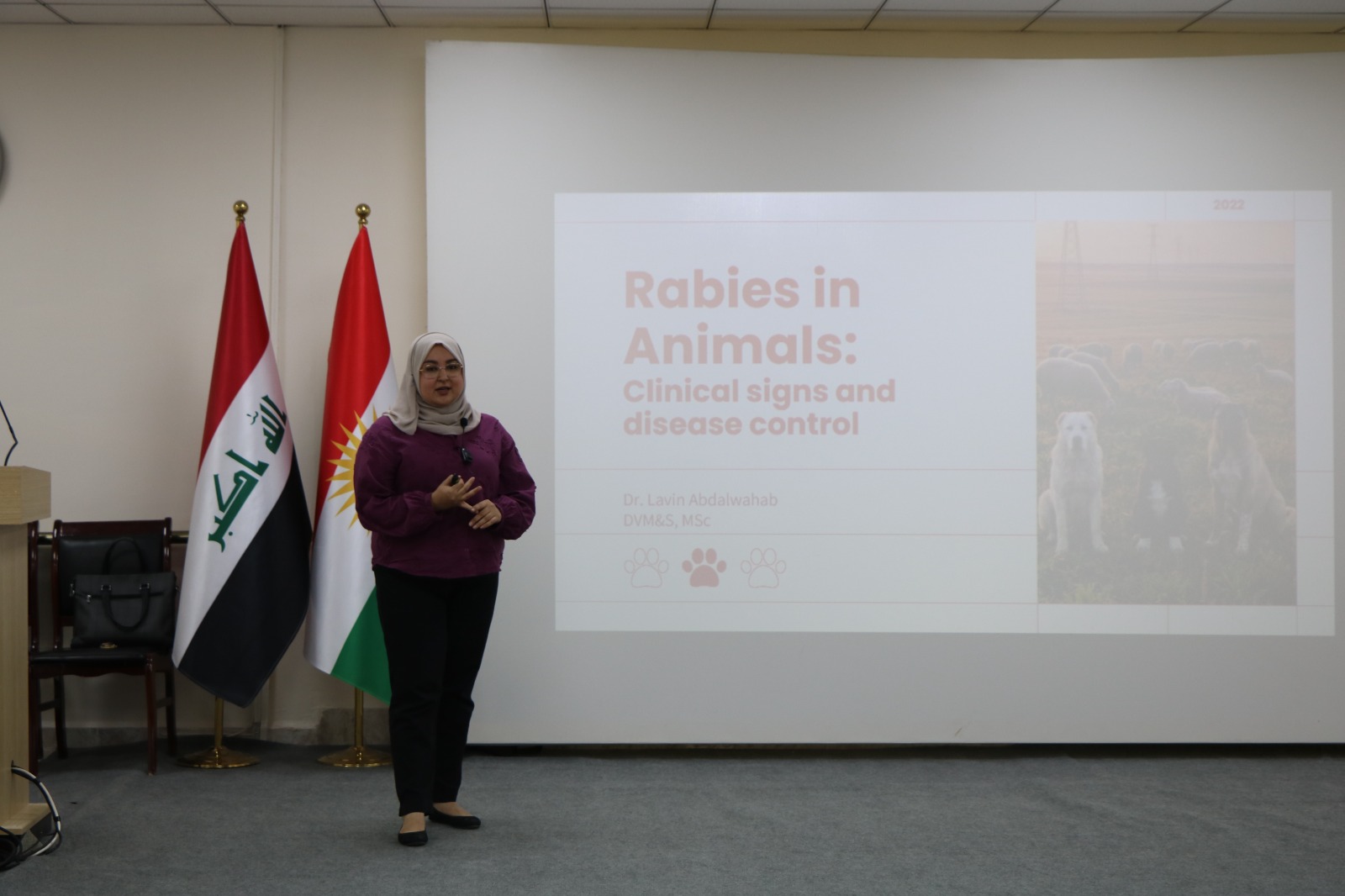
- “Rabies in Animals: Clinical Signs and Control” by Dr. Lavin Abdulwahab Ahmed.
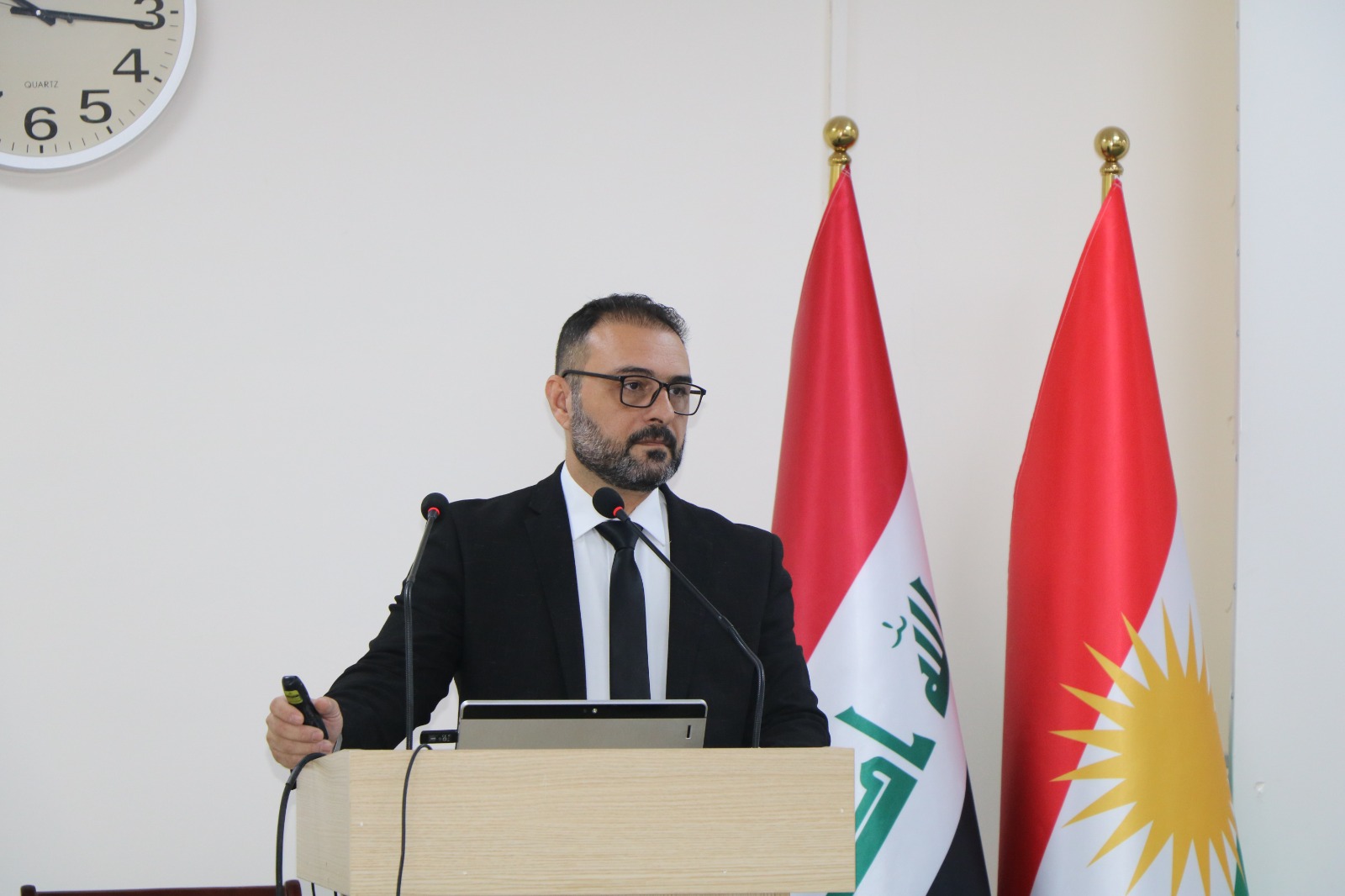
- “Rabies: Prevention and Treatment” by Dr. Zanyar Nouri Aghal.
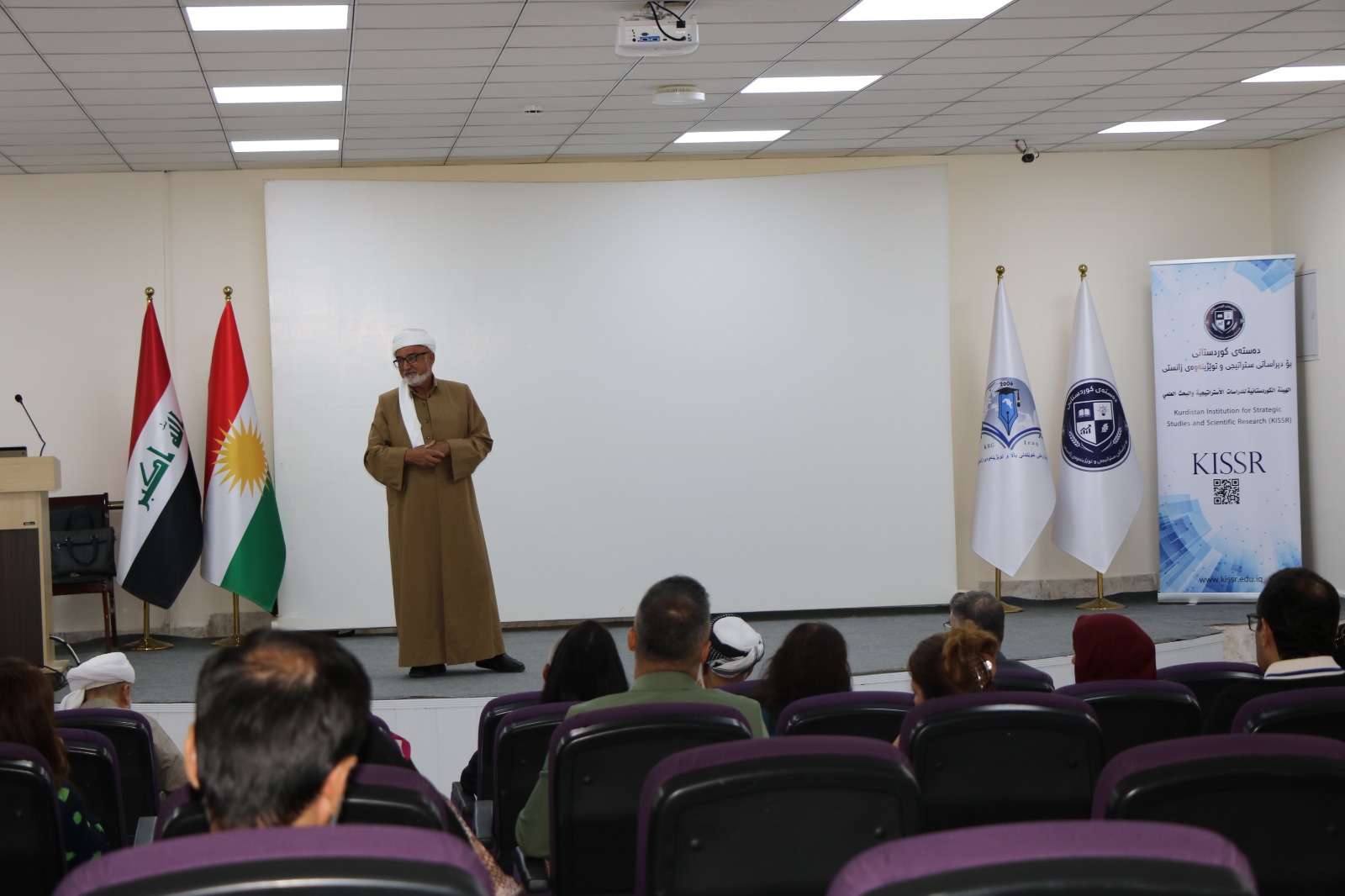
- “The Religious Perspective on the Treatment of Animals and the Protection of Public Health” by Mamosta Najmaddin Qadir Mohammed, religious scholar.
The panel was moderated by Dr. Ahmed Fayeq Barqi, lecturer and researcher at the Institution. The panel and its presentations explained in detail the nature of canine rabies, its transmission between humans and animals, methods of diagnosis and prevention, and the measures needed to control the disease.
Stronger Together
At the start of the presentations, it was noted that the global strategic goal for combating dog-mediated rabies is to achieve zero human deaths from the disease by 2030. This remains the long-term goal for every year, and the slogan “Stronger Together,” announced as the official theme of World Rabies Day 2026 by the World Health Organization (WHO), the World Organisation for Animal Health (WOAH), and the Global Alliance for Rabies Control (GARC), describes the path to reaching it. The message is that rabies can be eliminated only through joint effort. The theme also emphasises the One Health approach, which views human, animal, and environmental health as interconnected. The Institution’s panel put this idea into practice by bringing veterinarians, physicians, and a religious scholar together on a single platform.
Essential Information on Canine Rabies
The presentations also explained that canine rabies is one of the deadliest zoonotic diseases shared between humans and animals, yet it is entirely preventable. According to global statistics, the disease causes approximately 59,000 human deaths annually, and its case fatality rate is extremely high. Most human infections result from dog bites; therefore, dog vaccination and the humane management of stray dogs are the principal measures for controlling the disease. Following a bite, prompt post-exposure treatment is essential, consisting of wound washing, vaccination, and rabies immunoglobulin.
Objectives of the Panel
The presentations also outlined the panel’s objectives, including: raising public awareness of the dangers of rabies and its routes of transmission; describing the clinical signs and enabling early diagnosis of the disease; explaining the essential steps to be taken after a bite and the importance of vaccination for both humans and animals; promoting the vaccination of domestic dogs and cats; presenting the religious perspective on the treatment of animals and the protection of public health; and strengthening cooperation among medical and health institutions in accordance with the One Health approach.
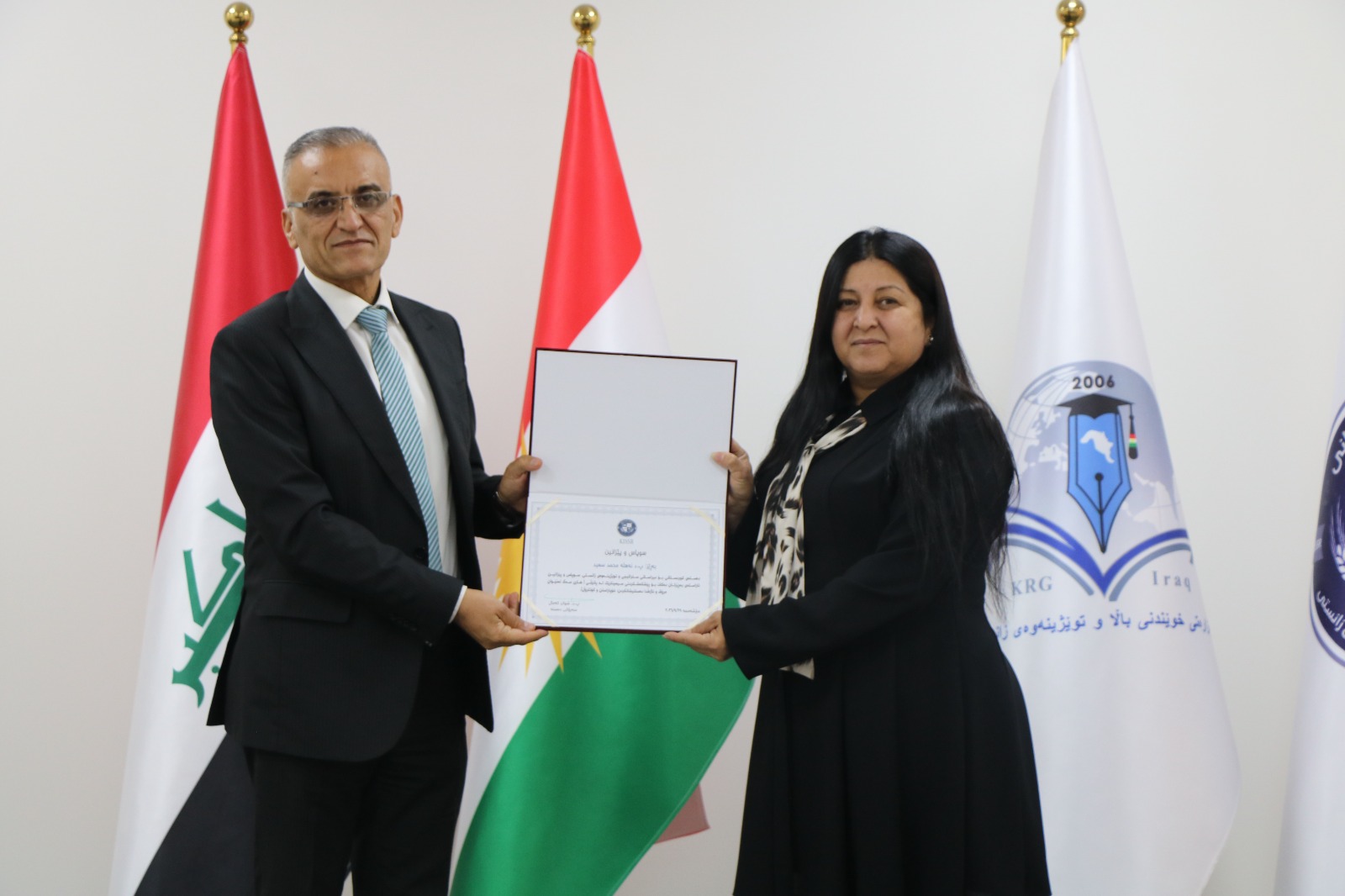
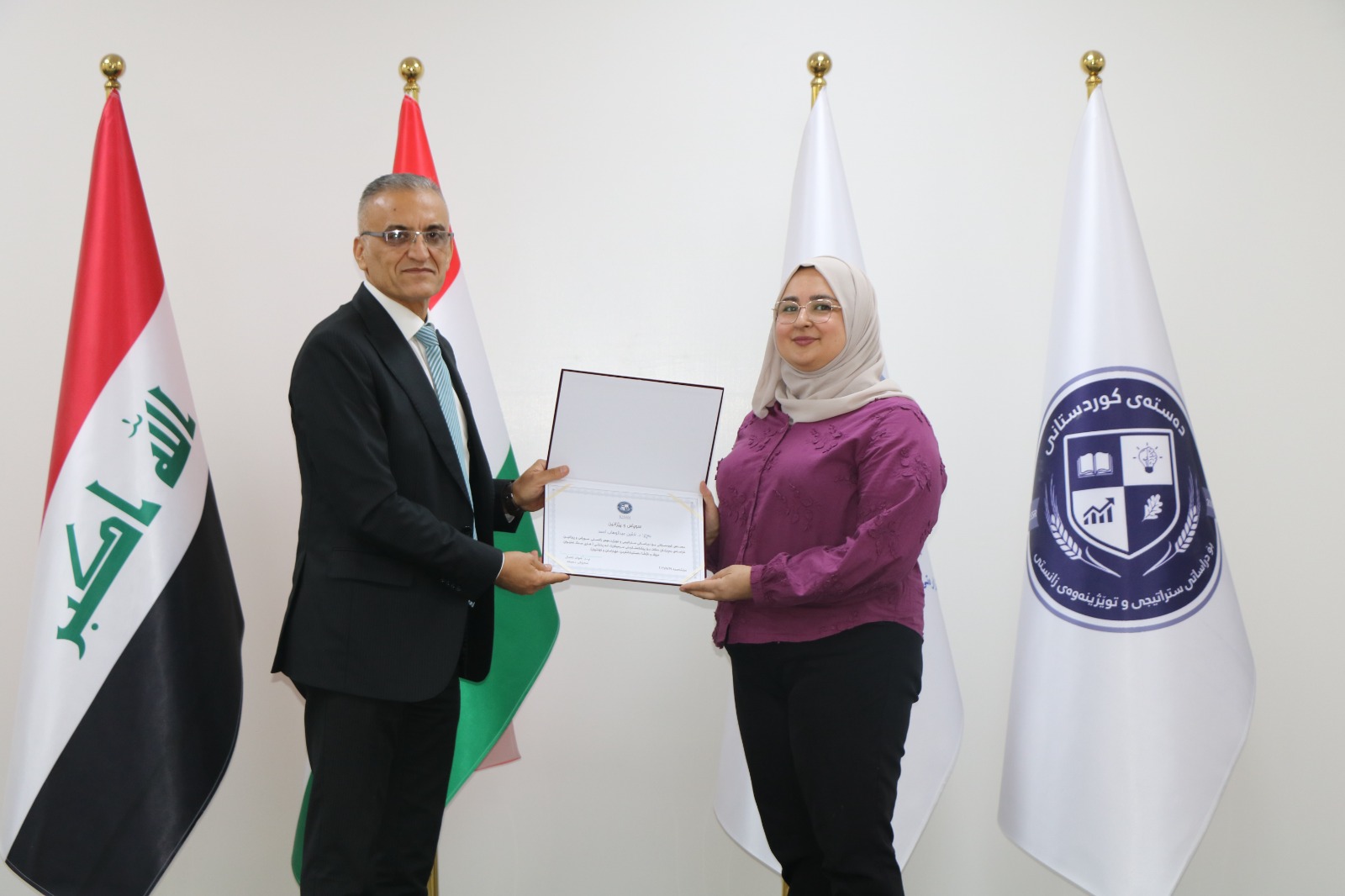
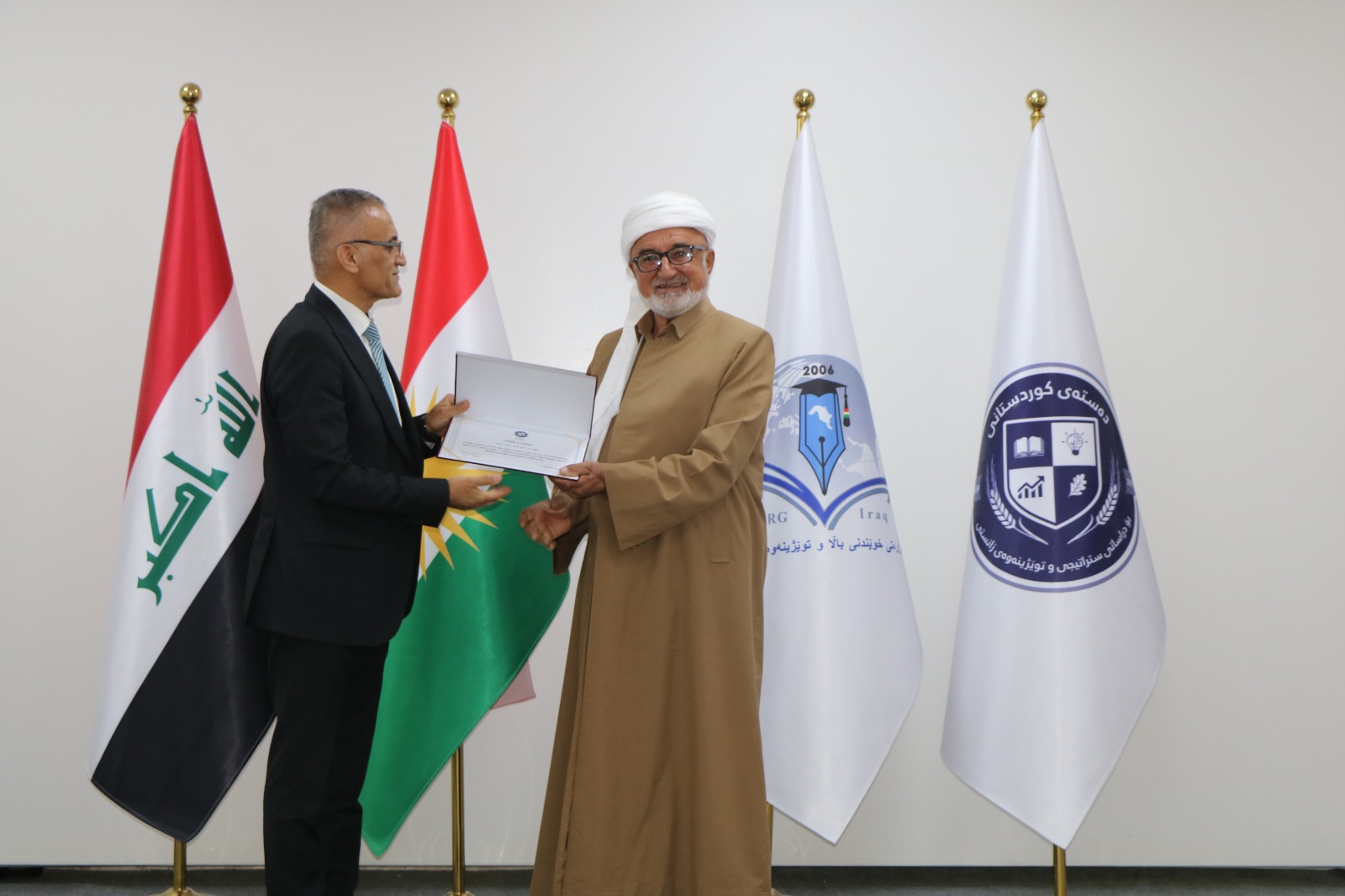
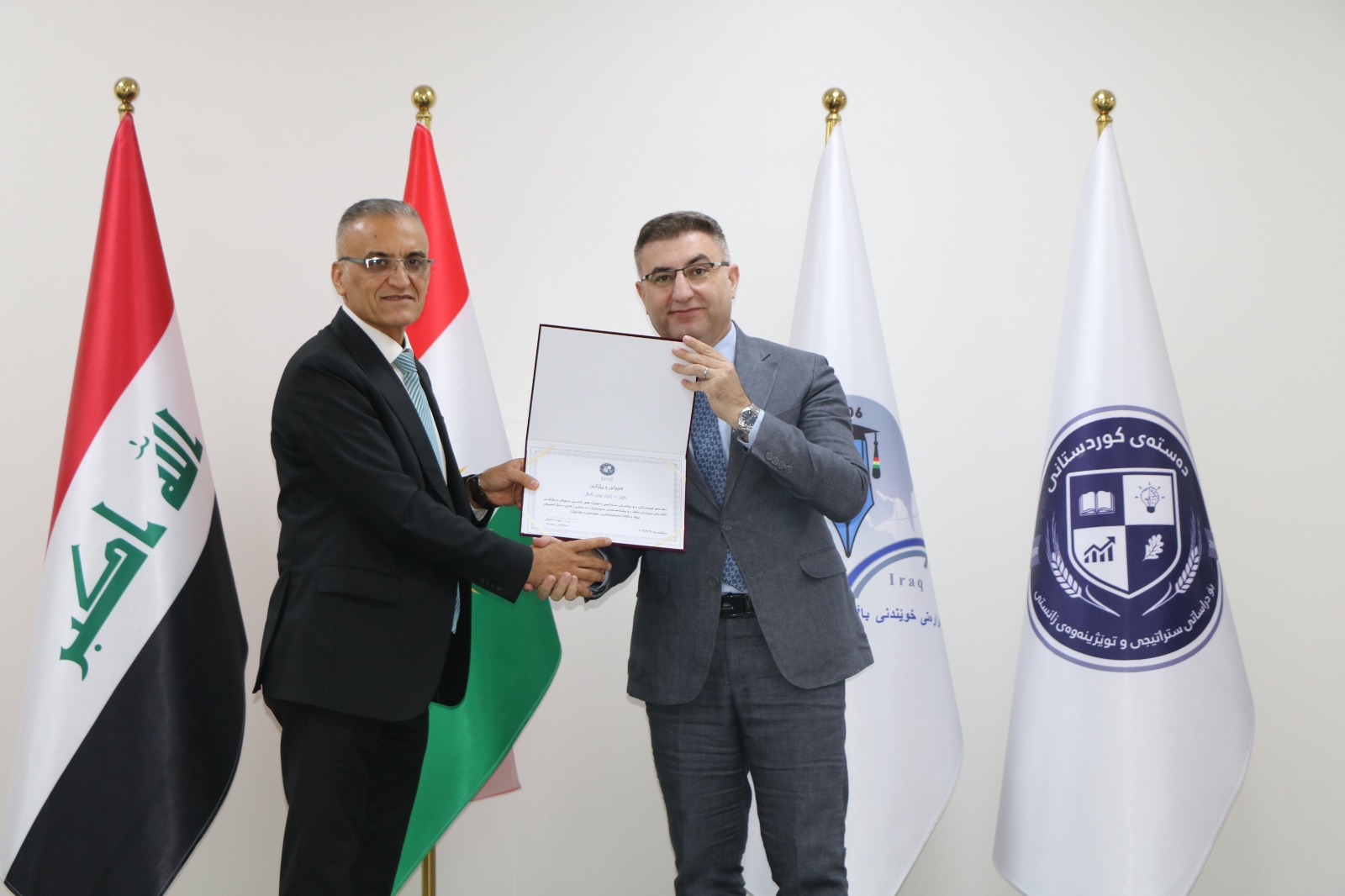
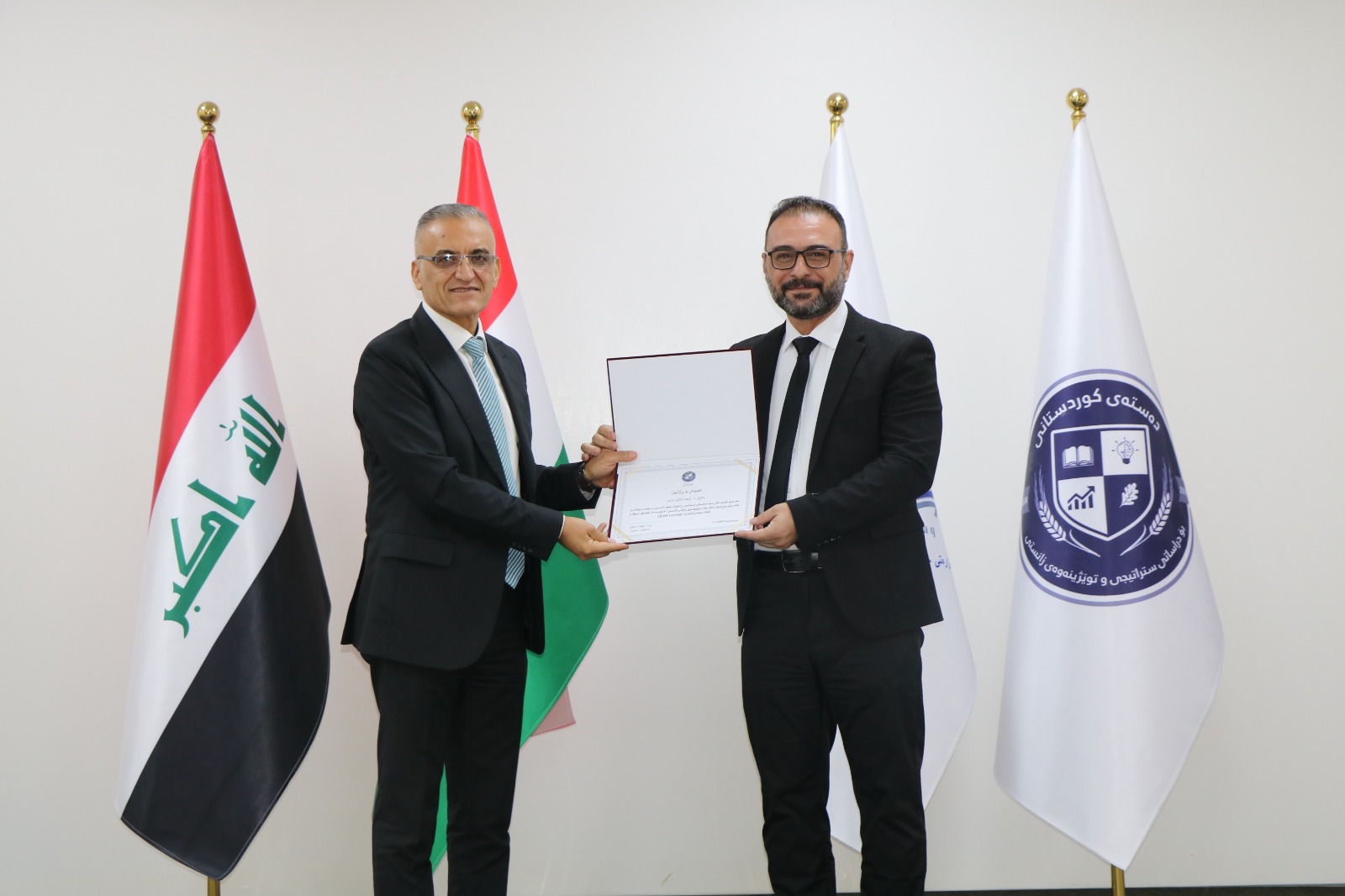
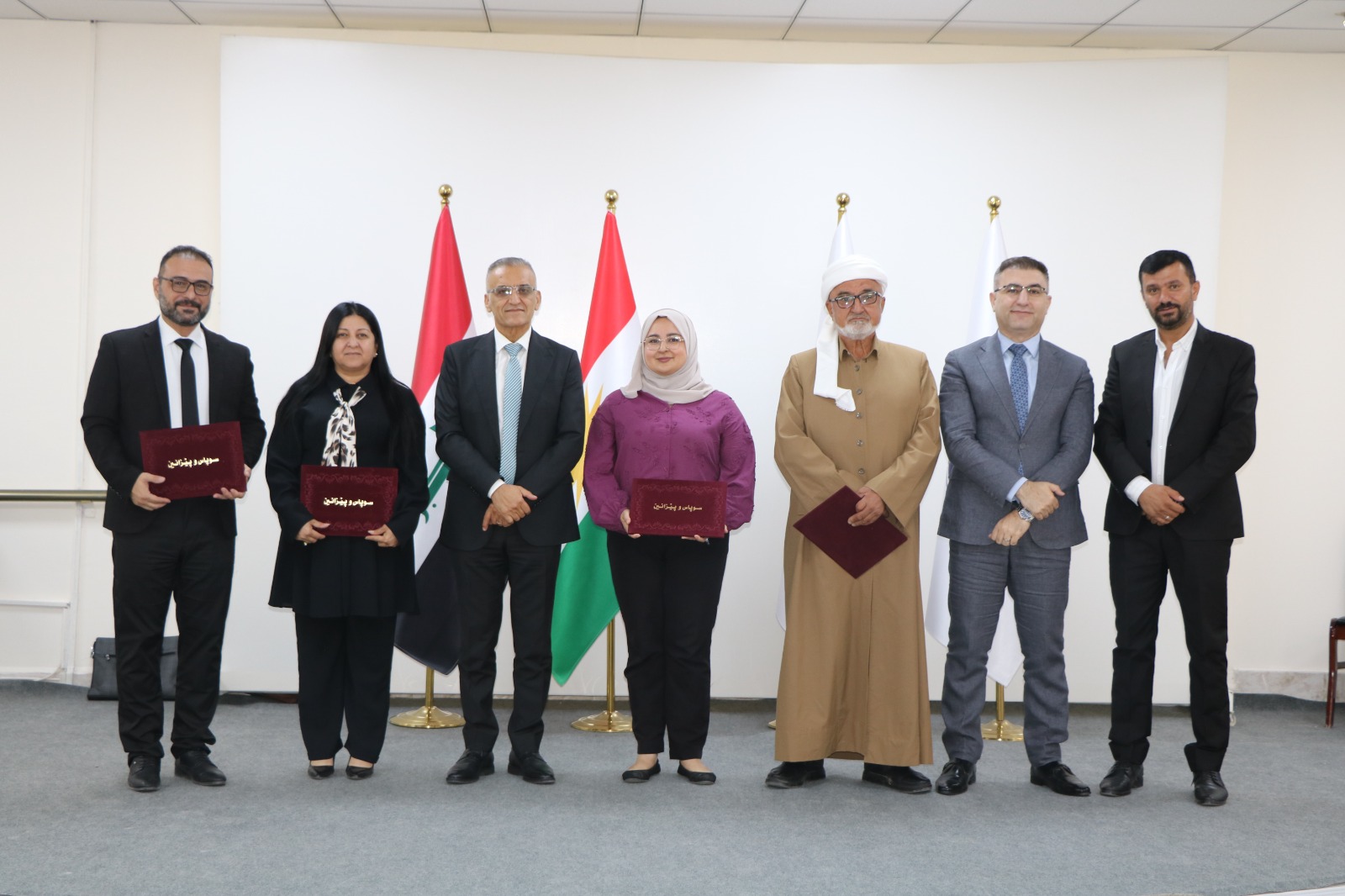
The panel lasted more than two and a half hours. It concluded with a detailed and comprehensive discussion between the presenters and the attendees, during which several recommendations were formulated. The President of the Institution presented certificates of appreciation to the panellists and the moderator.
Attendees’ Views
The Institution’s media office gathered the views of several attendees on the panel and its presentations. Dr. Ismail Galali, a religious scholar, stated: “I consider organising panels of this kind an important and necessary undertaking, and I benefited greatly from this panel.” He added that relevant authorities and media outlets should give greater attention to raising awareness about this and other diseases, and expressed hope that the Institution would organise a similar panel on the increasing use of vapes and cigarettes among young people and their harmful effects.
Shawnam Ahmed Aziz, lecturer at Sulaimani Polytechnic University, Sulaimani Technical Institute of Medicine, Department of Medical Laboratory Analysis, stated: “It was a very useful scientific panel. I thank and commend the Kurdistan Institution and the presenters, and I hope they will continue organising scientific panels.”
Assistant Lecturer Sirwan Hamarasheed Ali of Sulaimani Polytechnic University, College of Health and Medical Technology, stated: “Holding panels and seminars of this kind is very important at this time, because the number of stray animals has increased considerably. A sound and humane solution to this phenomenon must be developed on the basis of scientific principles and standards.”
Engineer Zana Mahmood Tofiq also stated: “It was a very good scientific panel that focused closely on the causes, consequences, and routes of transmission of canine rabies.” He added: “I hope this panel will serve as a starting point for addressing and regulating the situation of stray animals, which have contributed to the spread of disease and pose a risk to citizens’ lives.”
Photo gallery